High-hardness crane wheel replacement
Machining, controlled hardening, finish grinding, hardness verification, serial marking, and final inspection for severe-duty rail applications.
 Talk to an engineer
Many heavy industrial projects cannot be named publicly. These representative project patterns document the constraints, production route, and inspection evidence while respecting client confidentiality.
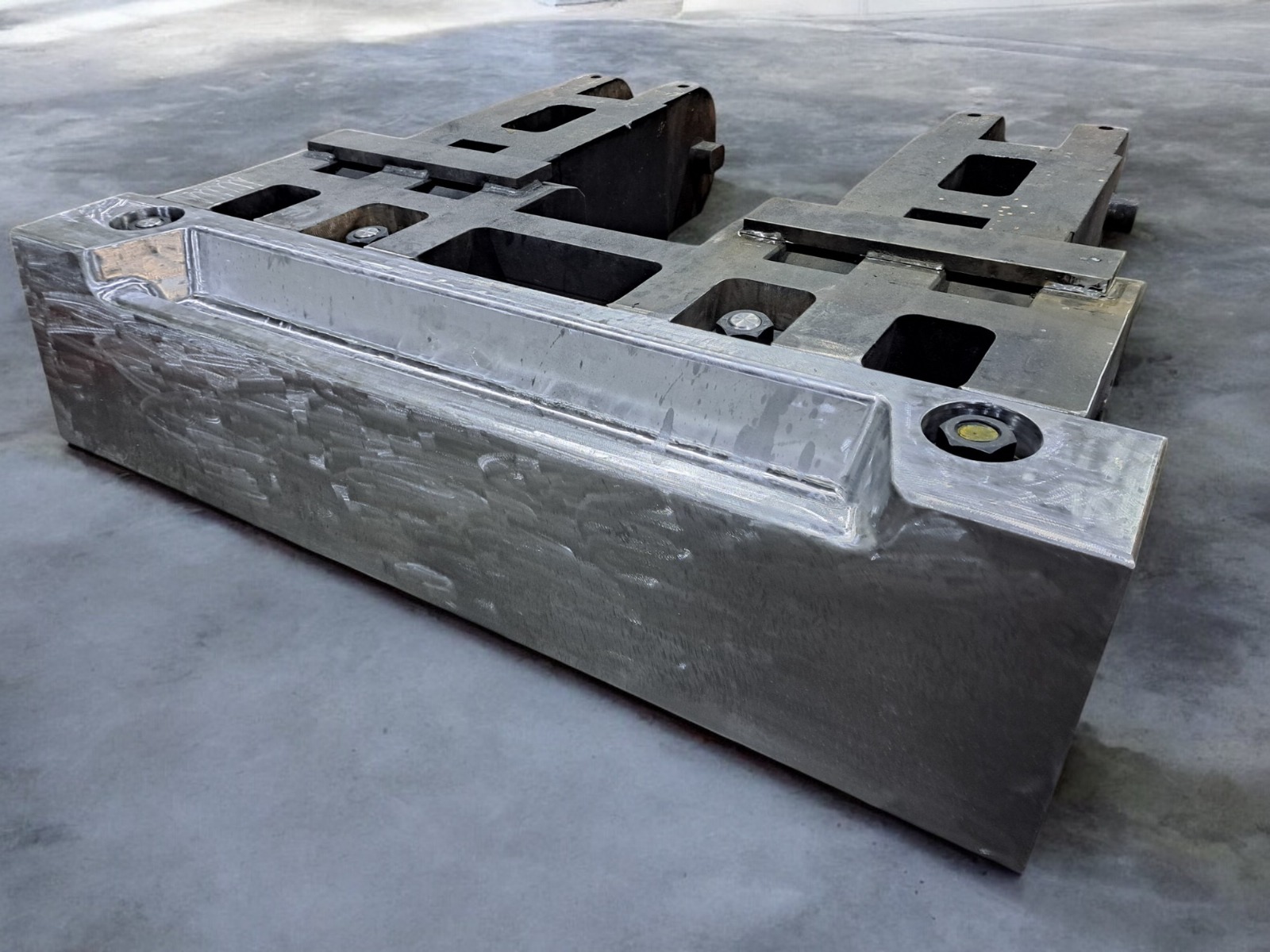
Representative project patterns
Machining, controlled hardening, finish grinding, hardness verification, serial marking, and final inspection for severe-duty rail applications.
Large workpiece planning across turning, milling, grinding, dimensional checks, and final quality verification.
Hard-facing and machining route used to restore functional surfaces and improve part durability.
Inspection, measurement, CAD rebuild, process route selection, manufacturing, and verification when the original drawing is unavailable.
Welding, NDT, dimensional control, post-assembly adjustment, and documentation conformity for a heavy mechanical assembly.
Stress relief or heat treatment route selected for component size, material, and final mechanical requirements.
Feasibility, CAD, calculation, product testing, and production planning used to improve existing equipment.
Project photographs
These photographs document finished components and production results while omitting customer names, drawings, serial numbers, and proprietary plant details.
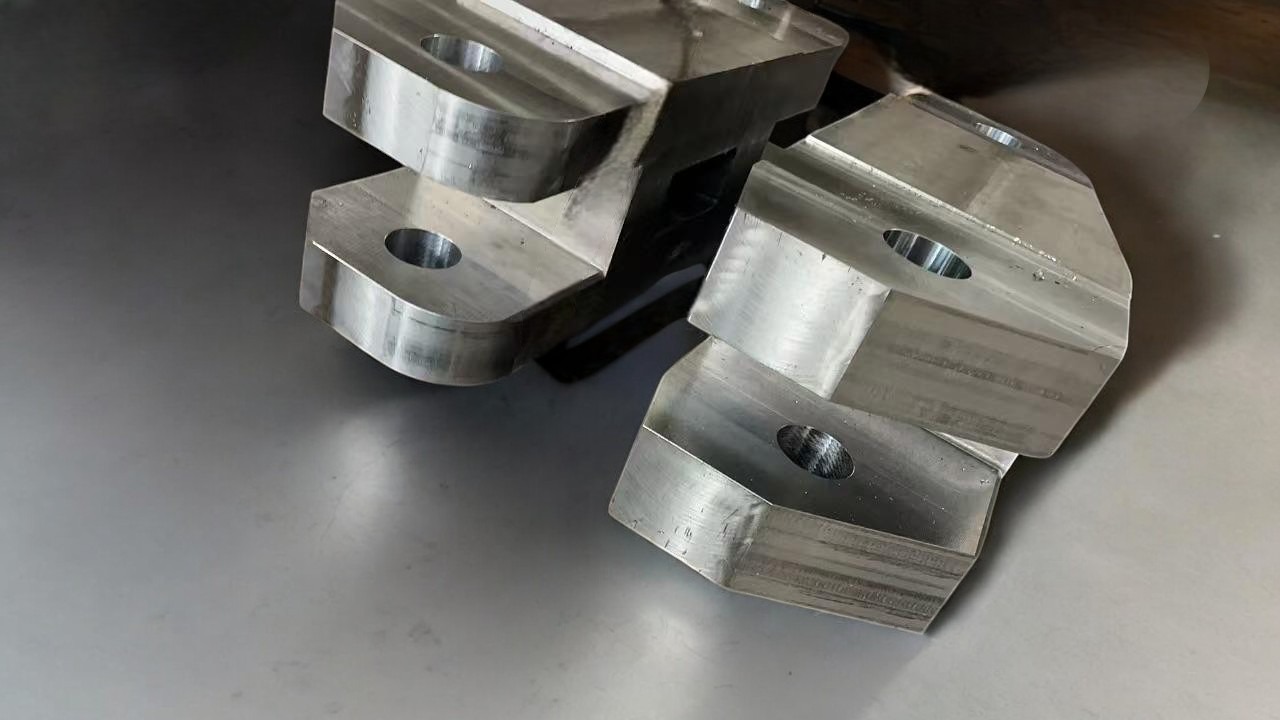
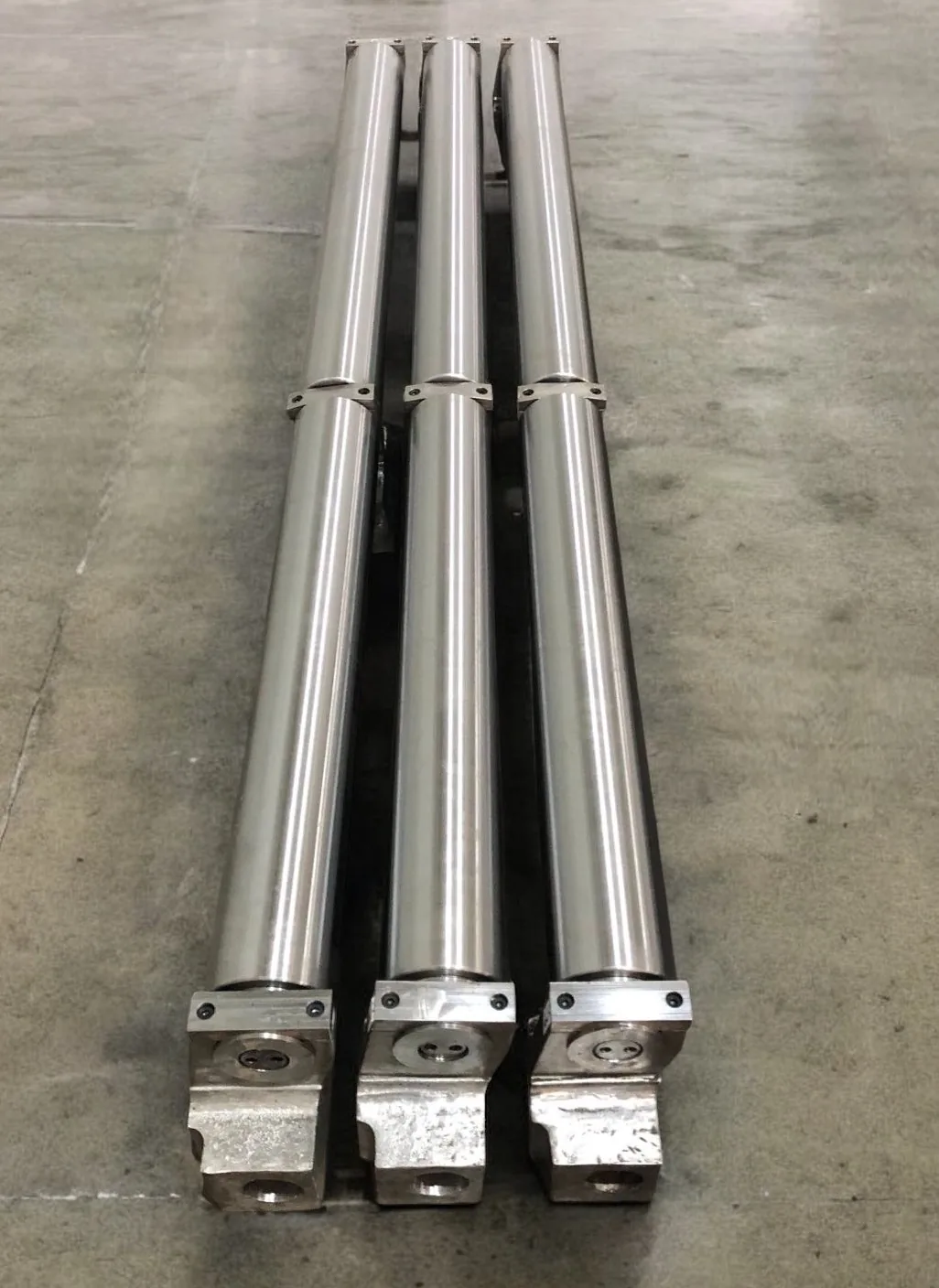
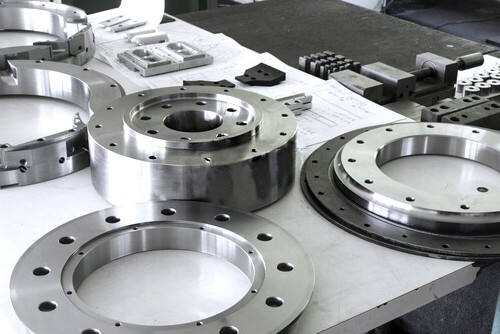
NDA-safe proof
Representative project summaries omit the plant, country, production line, customer name, and confidential dimensions while retaining the technical challenge, controlled route, verification evidence, and decision logic behind repair, replacement, or improvement.
The failure mode, missing drawing, wear pattern, fit issue, heat requirement, or shutdown constraint is documented without exposing the customer.
The route records review, measurement, engineering, machining, welding, heat treatment, assembly, inspection, and release.
Dimensional checks, hardness readings, NDT, pressure tests, material traceability, and non-sensitive detail photos support verification.
Outcomes include reduced risk, restored function, a repeatable spare-part route, shorter downtime, and clearer maintenance evidence.
Case study structure
Explain what the part does, why it matters to the line, and what was wrong or uncertain before BRUVAL started.
State the practical limits: no drawing, worn part, urgent shutdown, heavy weight, material risk, heat exposure, or inspection standard.
Summarize the controlled production path without revealing proprietary customer details.
Dimensions, hardness, NDT, visual condition, pressure, fit, serial ID, and final documentation are recorded as applicable.
The completed example identifies the BRUVAL capability involved and the input data required for a comparable project.
Confidentiality rules
Services
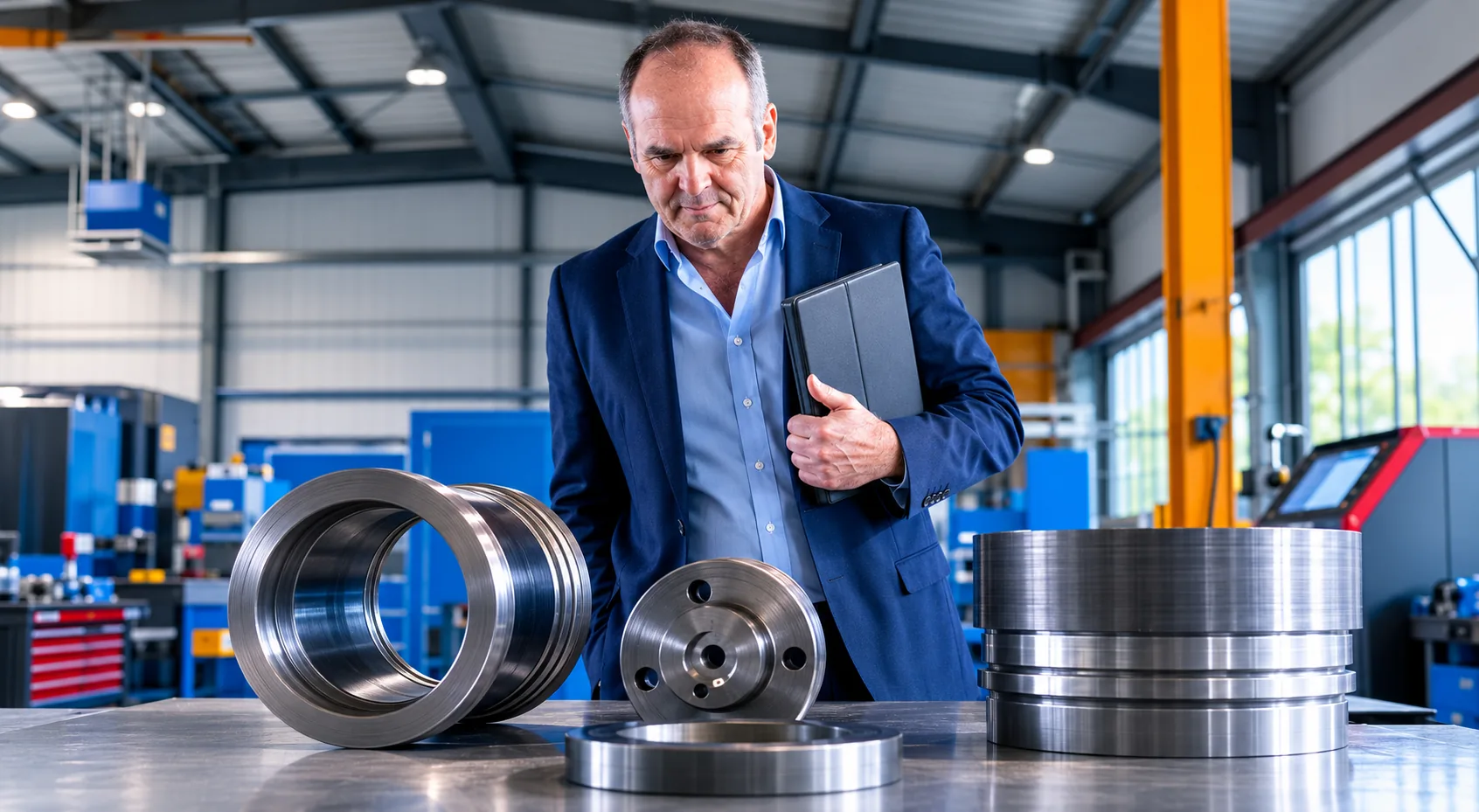 No drawing
Reverse Engineering
No drawing
Reverse Engineering
Worn or undocumented parts are converted into manufacturable replacement specifications.
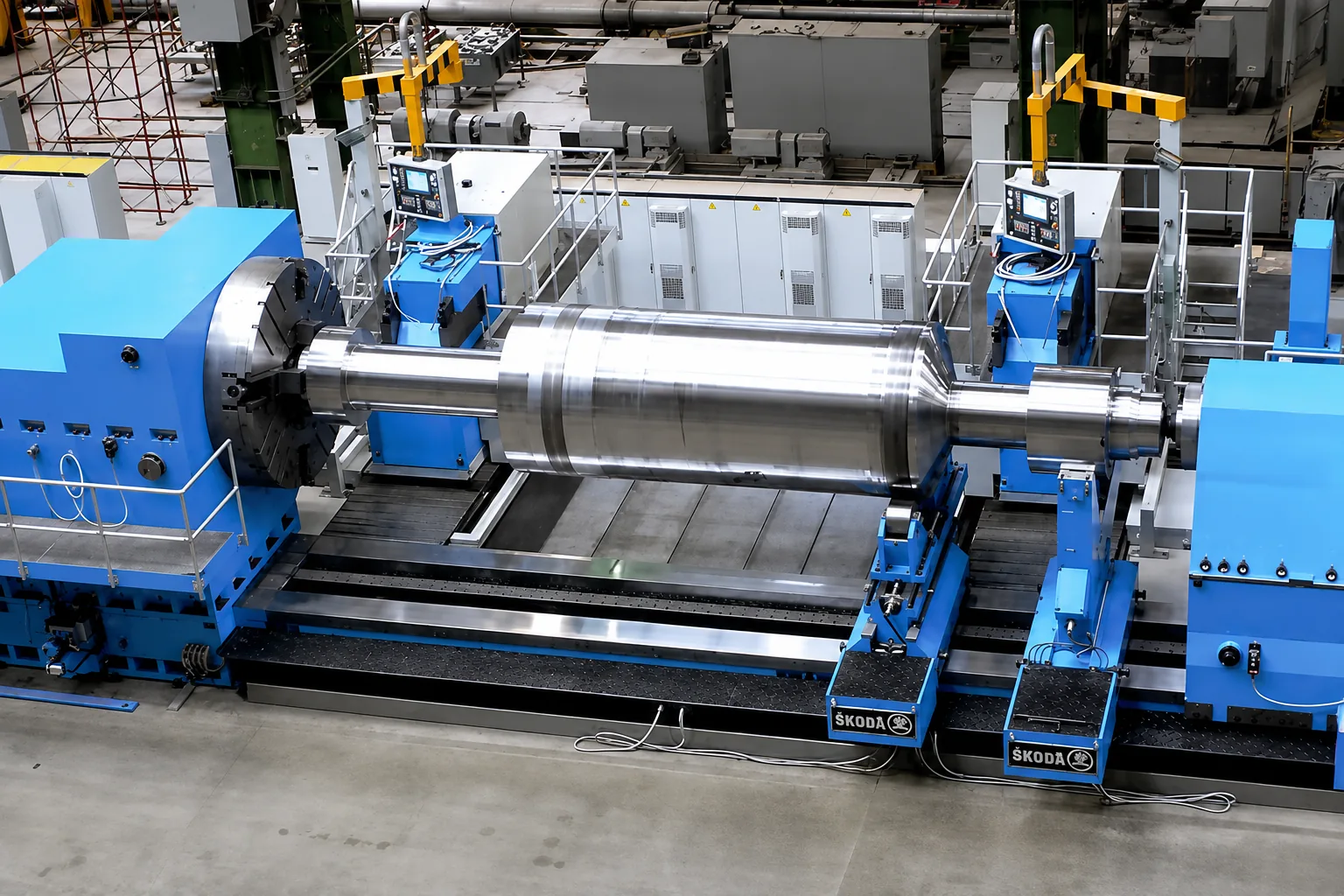 Heavy workpieces
Large-Format Machining
Heavy workpieces
Large-Format Machining
Turning, milling, grinding, and deep hole drilling support large-component production routes.
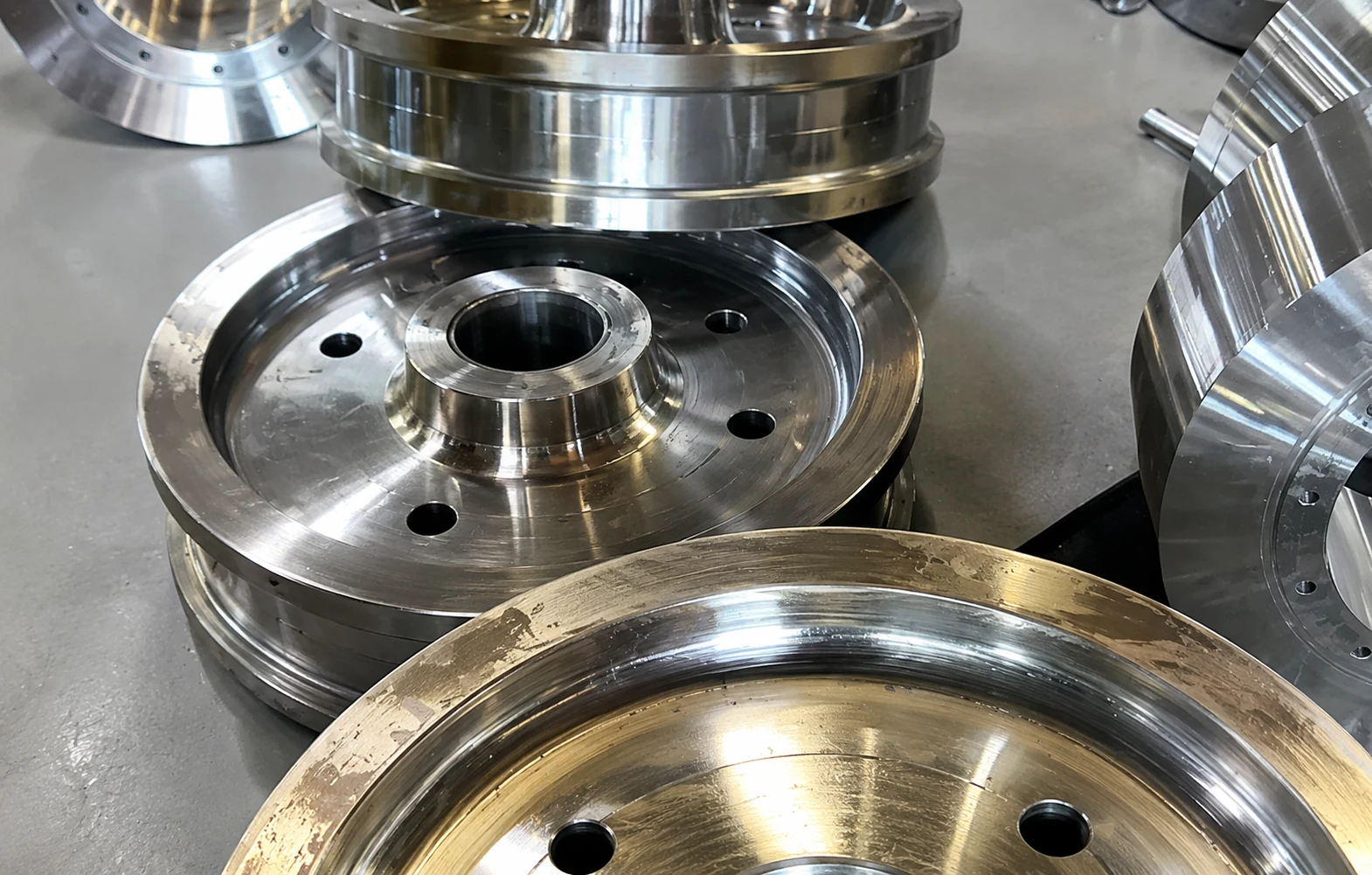 Repair or replace
Wear Components
Repair or replace
Wear Components
Wheels, rolls, shafts, sleeves, and reconditioned parts are assessed by failure mode and production route.
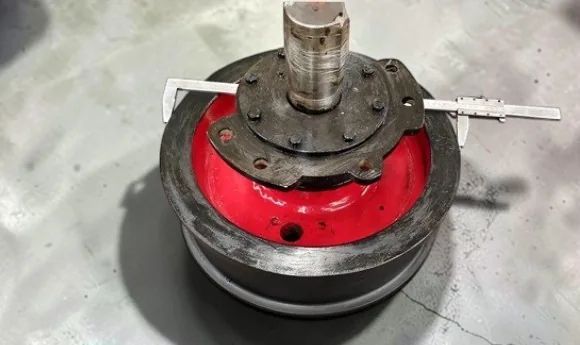 Evidence
Inspection & Traceability
Evidence
Inspection & Traceability
Dimensional reports, material certificates, and inspection records substantiate each technical claim.
Project request
BRUVAL can review the requirement, confirm the suitable product or service route, and return the next technical step.