Interface control
Bores, flanges, faces, keyways, threads, seals, and bolt patterns must match before the assembly can be trusted.
 Talk to an engineer
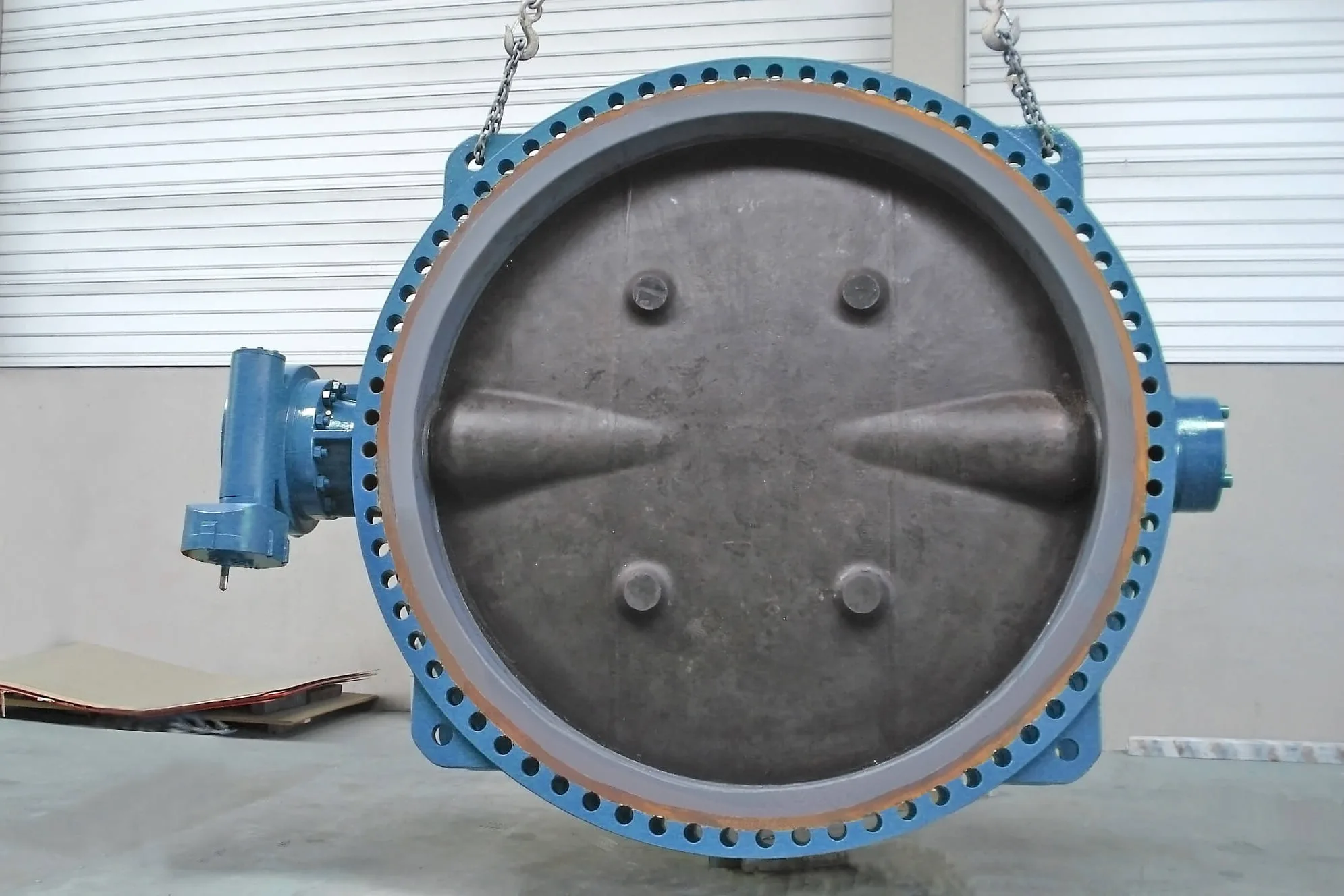
BRUVAL performs mechanical and electromechanical assemblies of small and large dimensions where fit, alignment, adjustment, controlled interfaces, and final inspection determine whether the unit is ready for service.
Assembly process
To create optimal interaction between different pieces, BRUVAL works through adjustment of mechanical parts, assembly of mechanical components, post-assembly adjustments, and quality control of the assembled product.
Assembly planning
Mechanical assembly is not only the final step after machining. It is where tolerances, coatings, fasteners, seals, bearings, shafts, housings, actuators, and inspection points have to work together as one unit.
Bores, flanges, faces, keyways, threads, seals, and bolt patterns must match before the assembly can be trusted.
Rotating, sliding, hinged, or actuated components need controlled clearances, runout, travel, and adjustment points.
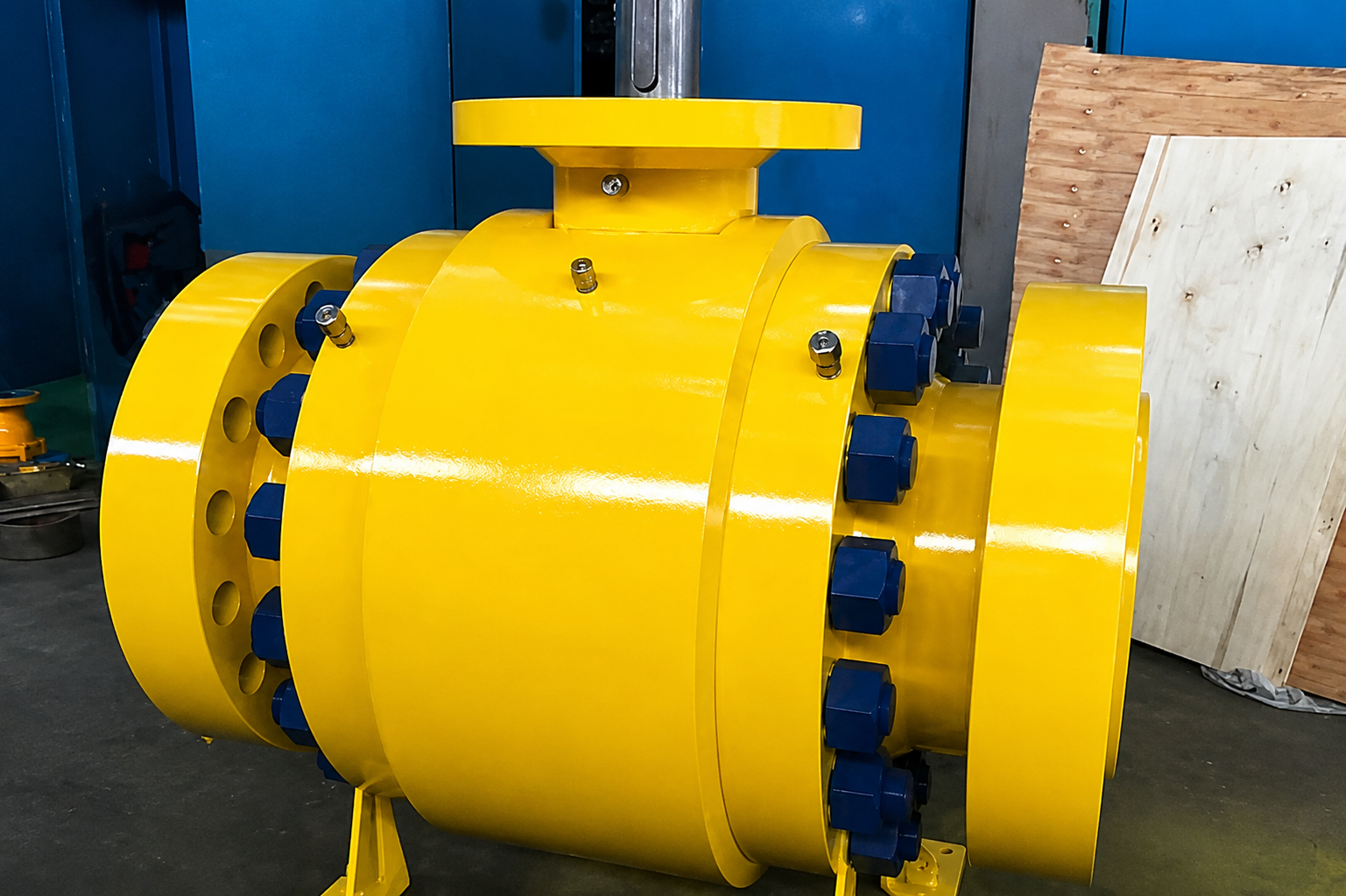
Bolts, studs, torque sequence, locking method, gasket condition, and access for future maintenance affect the finished assembly.
Final checks can include dimensional control, visual inspection, movement checks, pressure or leak tests, and record pack review.
Production route
Confirm drawings, markings, machined surfaces, purchased items, seals, fasteners, and any incoming inspection requirements.
Clean, deburr, protect, lubricate, test-fit, and correct small defects before the controlled assembly starts.
Mount components in the required sequence, control torque or fit, and adjust movement, alignment, or contact surfaces.
Verify the assembly against the drawing, functional requirement, inspection checklist, and customer documentation needs.
Inquiry data
Photos
Services
 Prepared interfaces
Machining
Prepared interfaces
Machining
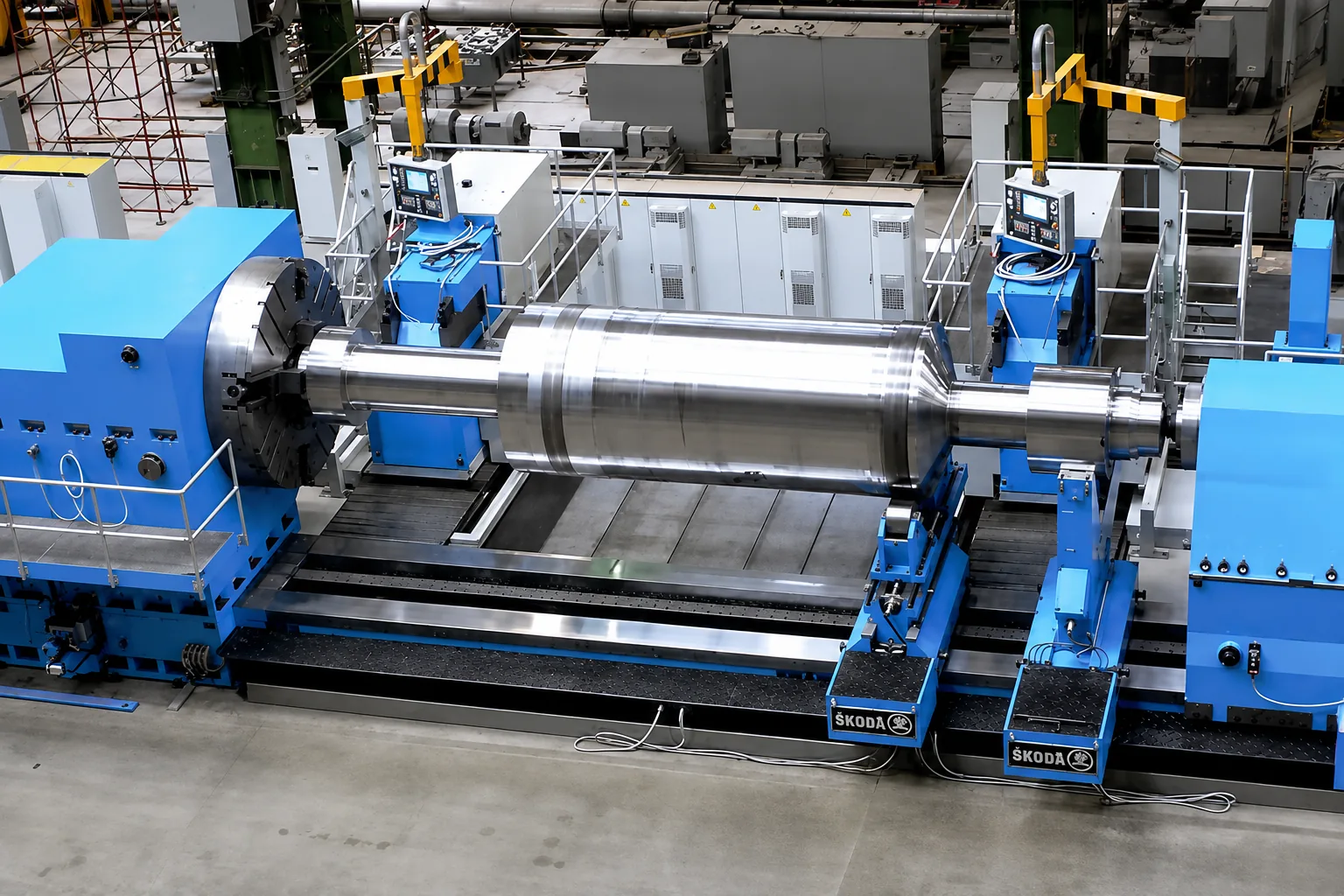
Turning, milling, and grinding support the fit surfaces that make assemblies reliable.
 Fabricated parts
Welding
Fabricated parts
Welding
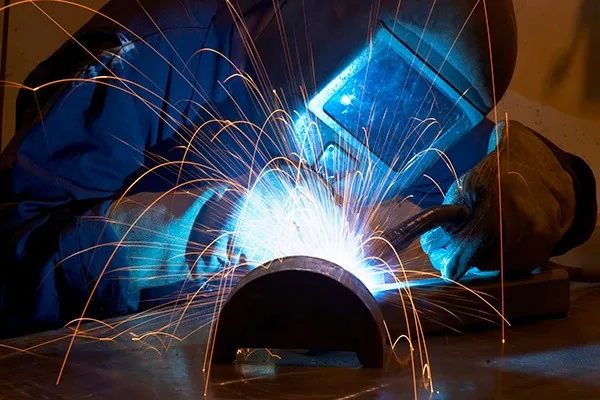
Welded structures and repaired components can be prepared before final assembly.
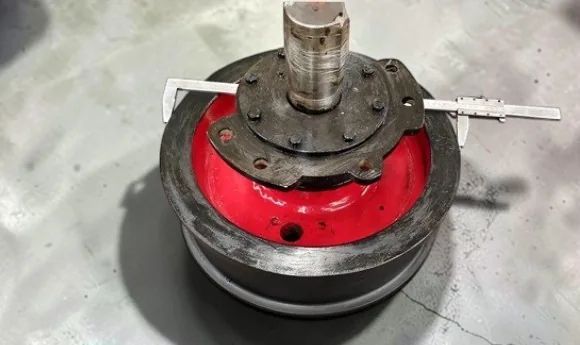 Release records
Inspection & Traceability
Release records
Inspection & Traceability
Dimensional checks, NDT, pressure tests, and final documentation support the finished unit.
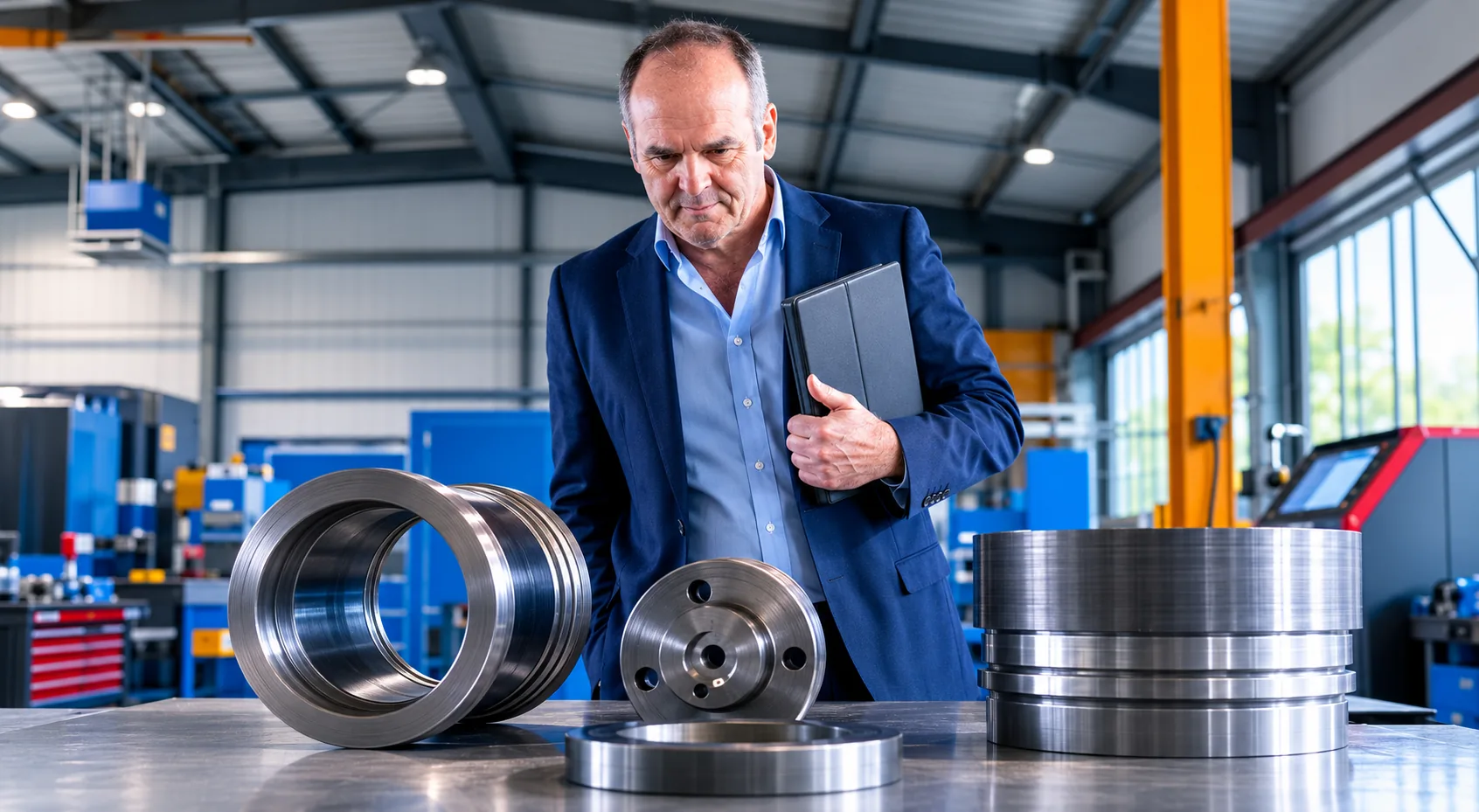 Existing unit
Reverse Engineering
Existing unit
Reverse Engineering
Use worn or undocumented assemblies to rebuild a manufacturable replacement route.
Project request
BRUVAL can review the requirement, confirm the suitable product or service route, and return the next technical step.