Long internal features
Deep drilling is relevant when the bore length, aspect ratio, or straightness requirement makes ordinary drilling unsuitable.
 Talk to an engineer
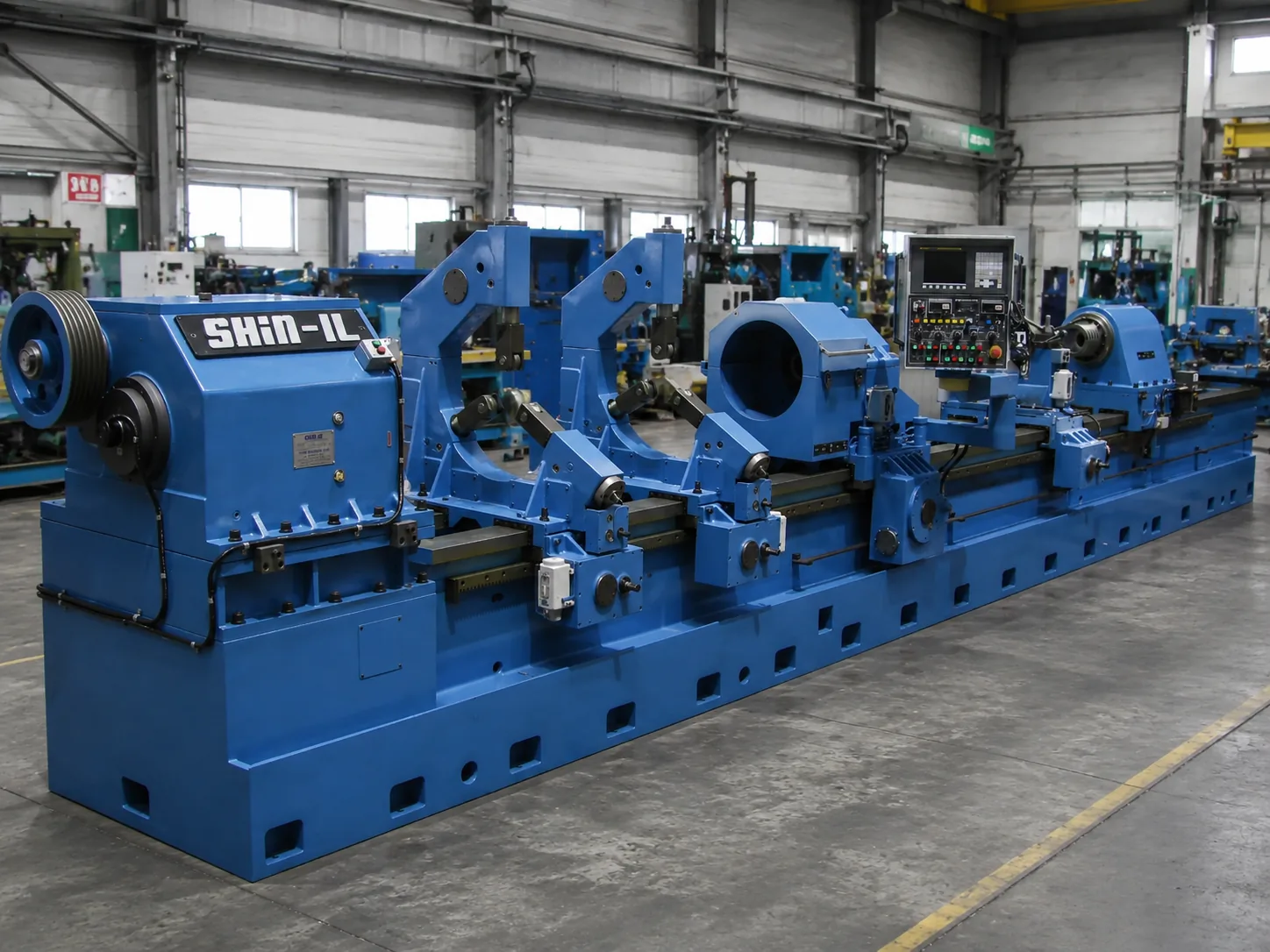
Deep hole drilling is used when a heavy workpiece needs a long internal bore or precision internal feature that must stay aligned with the part geometry and later machining route.
Capability
Deep hole drilling uses Sandvik technology for parts where a normal drilling operation is not enough. The important questions are bore depth, diameter, straightness, material condition, setup access, and how the drilled feature connects to turning, milling, grinding, or assembly later.
Project fit
Deep drilling is relevant when the bore length, aspect ratio, or straightness requirement makes ordinary drilling unsuitable.
Workpiece weight, clamping access, centerline reference, and handling constraints must be checked before the route is accepted.
Steel grade, hardness, weld repair, heat treatment state, and previous machining can affect tool choice and process risk.
The drilled feature often supports later turning, milling, assembly, lubrication, cooling, or hydraulic function, so it cannot be planned alone.
Process route
Review bore diameter, depth, entry face, exit condition, concentricity, straightness, and tolerance requirements.
Define support points, clamping, datum references, part orientation, tool access, and handling limits before drilling starts.
Use the selected deep drilling route while monitoring chip evacuation, coolant flow, tool behaviour, and bore quality risk.
Check the feature against the drawing or agreed acceptance criteria before the part moves to the next operation.
Inquiry data
Related operations
Project request
BRUVAL can review the requirement, confirm the suitable product or service route, and return the next technical step.