Feasibility
Economic, technical, operational, and schedule perspectives help define whether a solution should move forward.
 Talk to an engineer
BRUVAL's engineering department helps turn industrial problems into manufacturable solutions through feasibility studies, modelling, calculations, testing, and technical risk review.
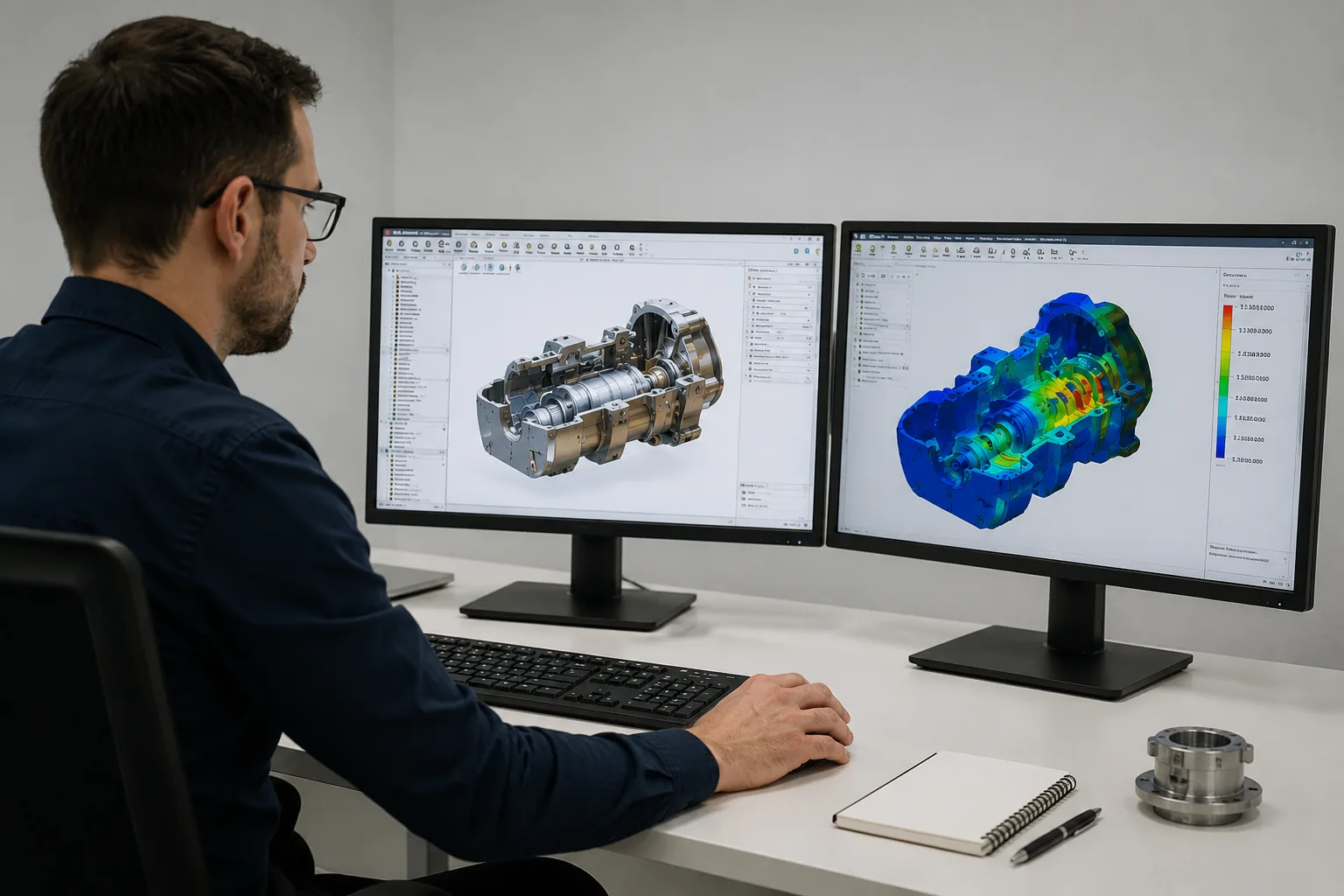
Engineering route
FEA and testing are useful when they answer a production question: can the part carry the load, will the geometry survive service, which features control risk, and what should be changed before manufacturing starts?
Economic, technical, operational, and schedule perspectives help define whether a solution should move forward.
CAD, 3D modelling, mechanical design, product improvement, and process route definition support manufacturability.
Strength calculations, conventional dimensioning, and Finite Element Analysis support decisions for heavy mechanical components.
Destructive and non-destructive testing, dimensional measurement, and product testing help validate the final route.
FEA use cases
Check stress concentration, deformation, load paths, bolted interfaces, lifting points, shafts, housings, brackets, and custom industrial equipment.
Compare geometry options before production so material can be placed where it works and removed where it only adds weight or cost.
Support the choice between repair, replacement, reinforcement, re-machining, or redesign when an existing part is worn or damaged.
Simulation results define machining, welding, heat treatment, assembly, inspection, and documentation requirements.
Validation path
Confirm forces, pressure, temperature, speed, duty cycle, mounting points, boundary conditions, and service environment.
Prepare CAD geometry, simplify non-critical details, identify contact zones, and define the features that must be checked.
Use conventional calculation and FEA to evaluate stress, deformation, stability, fatigue concerns, or local weak points.
Match the calculation route with dimensional checks, material data, NDT, hardness readings, product testing, or final inspection.
Validation methods
Inquiry data
Services
Design route
Engineering
Feasibility studies, CAD, 3D modelling, strength calculations, and technical risk review.
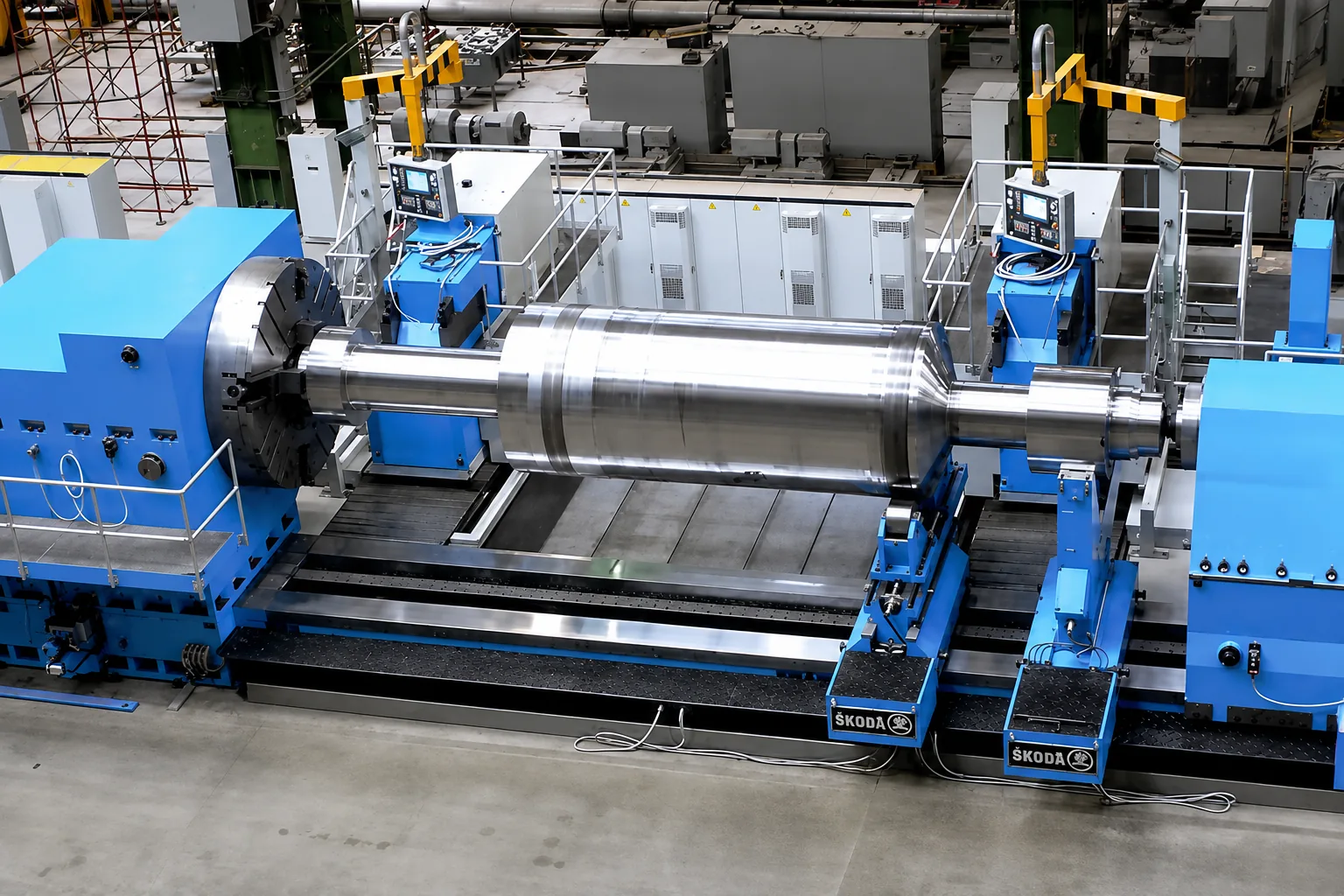 Production
Large-Format CNC Machining
Production
Large-Format CNC Machining
Turn engineering decisions into machining, grinding, and deep hole drilling routes for heavy parts.
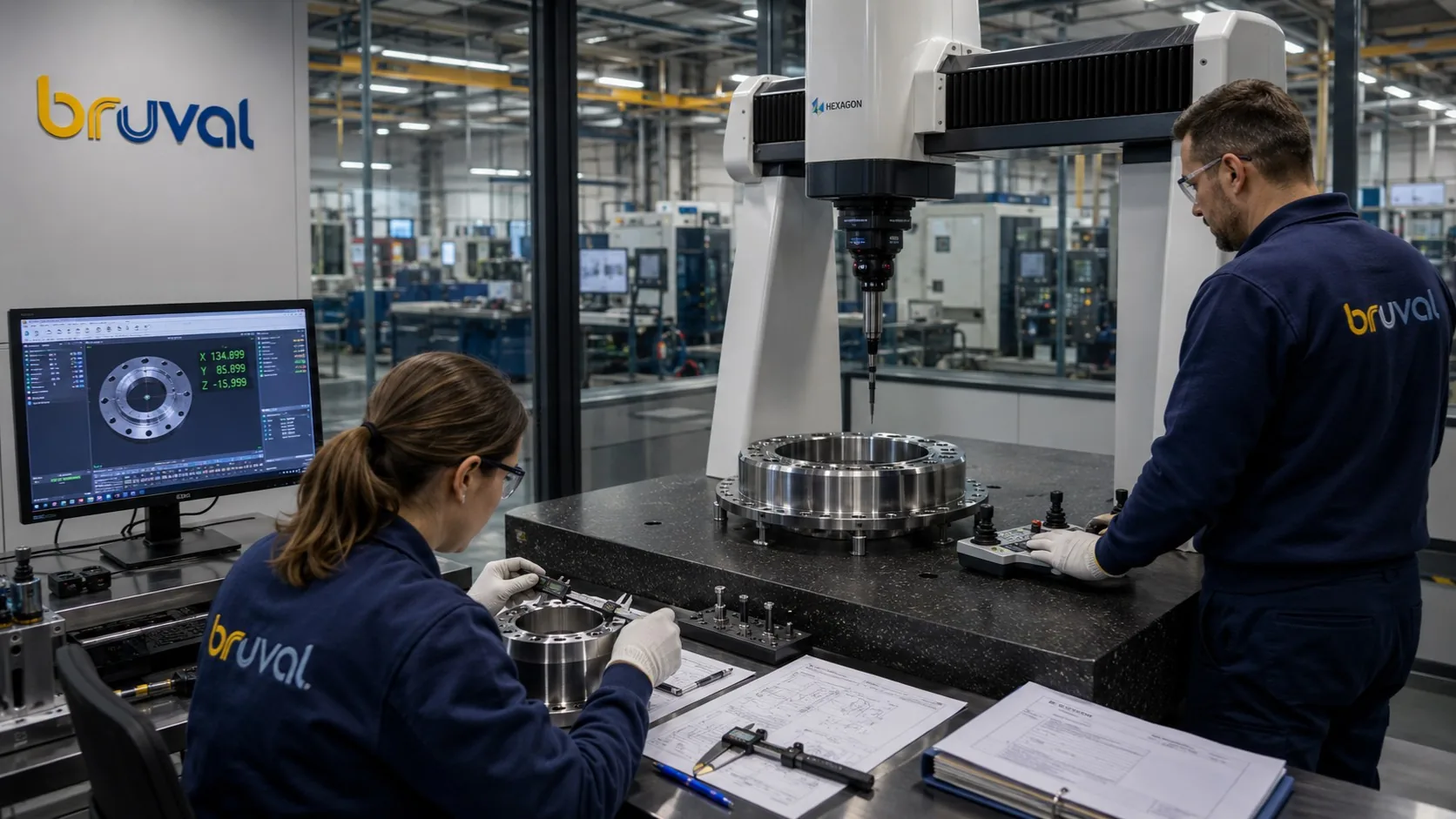 Evidence
Quality Inspection Technology
Evidence
Quality Inspection Technology
Calculations and design decisions are verified through inspection, testing, traceability, and release documents.
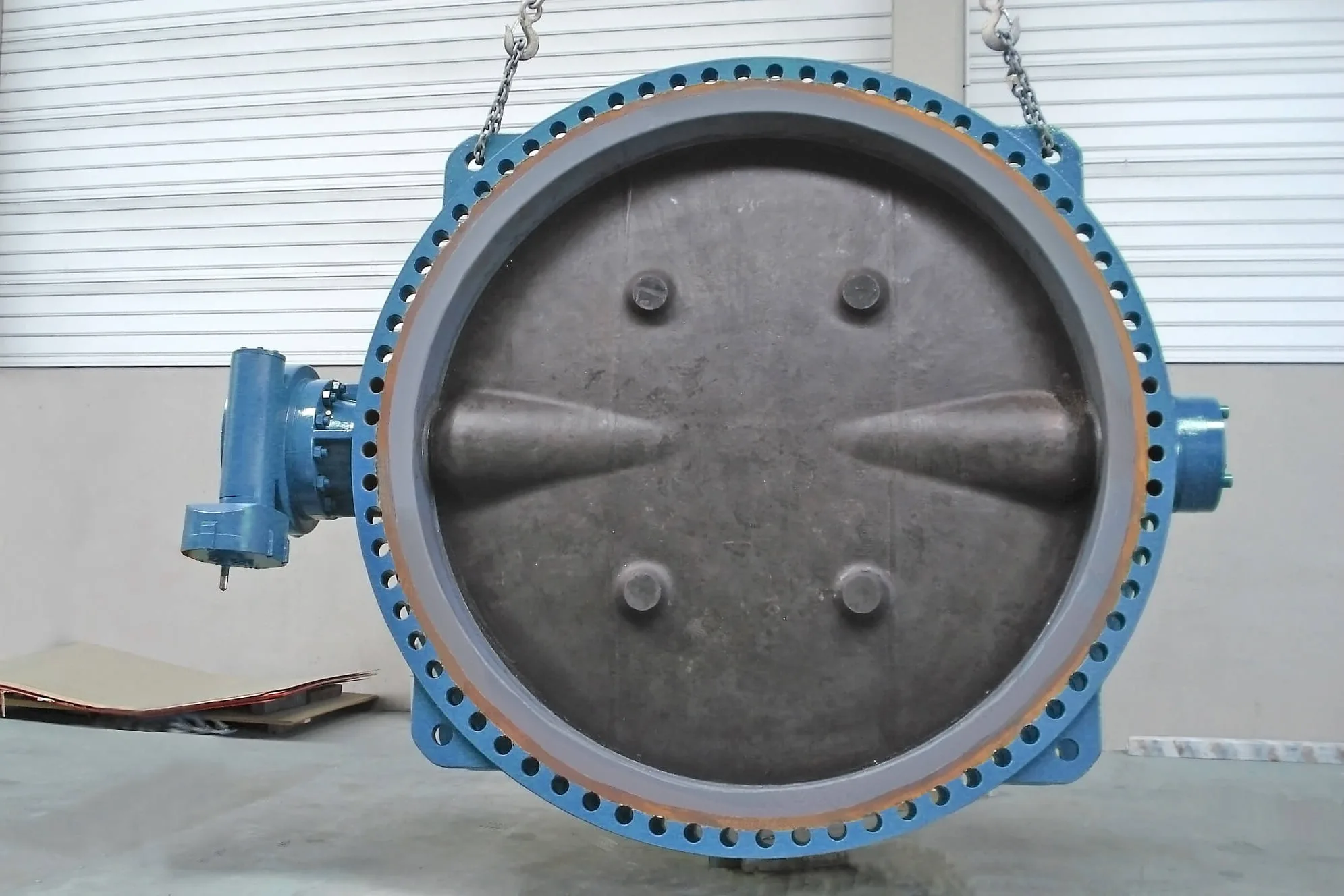 Proof
NDA-Safe Case Studies
Proof
NDA-Safe Case Studies
Representative projects document the technical route and validation logic without exposing confidential client details.
Project request
BRUVAL can review the requirement, confirm the suitable product or service route, and return the next technical step.