
Machining range
Large dimensions with process context
Project fit
When large-format CNC machining becomes the right route
Large-format machining is most valuable when the workpiece is too heavy, too long, too wide, or too function-critical for a simple workshop operation. BRUVAL reviews the part as a complete manufacturing problem: how it will be handled, where it will be referenced, which surfaces control fit, and how the final dimensions will be verified.
Heavy workpieces
Large shafts, rollers, sleeves, wheels, housings, fabricated bodies, and repair parts need machining plans that account for weight, lifting, support points, and safe access.
Functional surfaces
Bores, journals, flanges, faces, keyways, slots, and mounting interfaces are reviewed by function so the critical features are protected through the full route.
Mixed operations
A single part may need turning, 5-axis milling, grinding, deep hole drilling, weld preparation, heat treatment, or final assembly work in a controlled sequence.
Release evidence
Dimensional checks, hardness readings, NDT, material records, and final documentation can be connected to the machined component when the project requires traceability.
Process chain
Machining is stronger when connected to engineering and inspection
Technical review
Drawings, material, tolerance, load case, and operating constraints define the manufacturing route before machining starts.
Heavy machining
Turning, milling, grinding, and deep hole drilling are grouped by geometry and accuracy requirement.
Post-process support
Welding, heat treatment, stress relief, hard-facing, and assembly can be coordinated around the machined part.
Verification
Dimensional checks, NDT, documentation, and quality control close the loop before delivery.
Planning route
From rough requirement to controlled machining
Define the part
Confirm drawing status, dimensions, weight, material, delivery urgency, and whether the workpiece is new, worn, welded, or reconditioned.
Choose datums
Identify faces, bores, journals, centerlines, or existing geometry that should control setup and inspection.
Sequence operations
Order roughing, finishing, drilling, grinding, heat treatment, weld repair, or assembly so later steps do not compromise critical geometry.
Control movement
Account for distortion, residual stress, hard zones, material removal, clamping force, and support points on long or heavy parts.
Verify release
Measure the features that matter, connect records to the part, and prepare the documentation needed for installation or customer approval.
Inquiry data
What helps BRUVAL evaluate a large machining request
The fastest review starts with enough information to compare the real part against the machine envelope, handling route, and inspection requirement.
- Drawing, 3D model, sketch, or photos showing the part and all functional interfaces
- Overall length, width, height, diameter, approximate weight, and lifting or transport constraints
- Material grade, hardness, heat-treatment state, weld repairs, coatings, or hard-facing areas
- Critical tolerances, datum references, bores, journals, flatness, runout, thread details, and surface finish requirements
- Required operations such as turning, milling, grinding, deep hole drilling, welding, heat treatment, assembly, or inspection
- Quantity, target delivery date, shutdown window, certification needs, and final documentation requirements
Services
Dive into the production capabilities
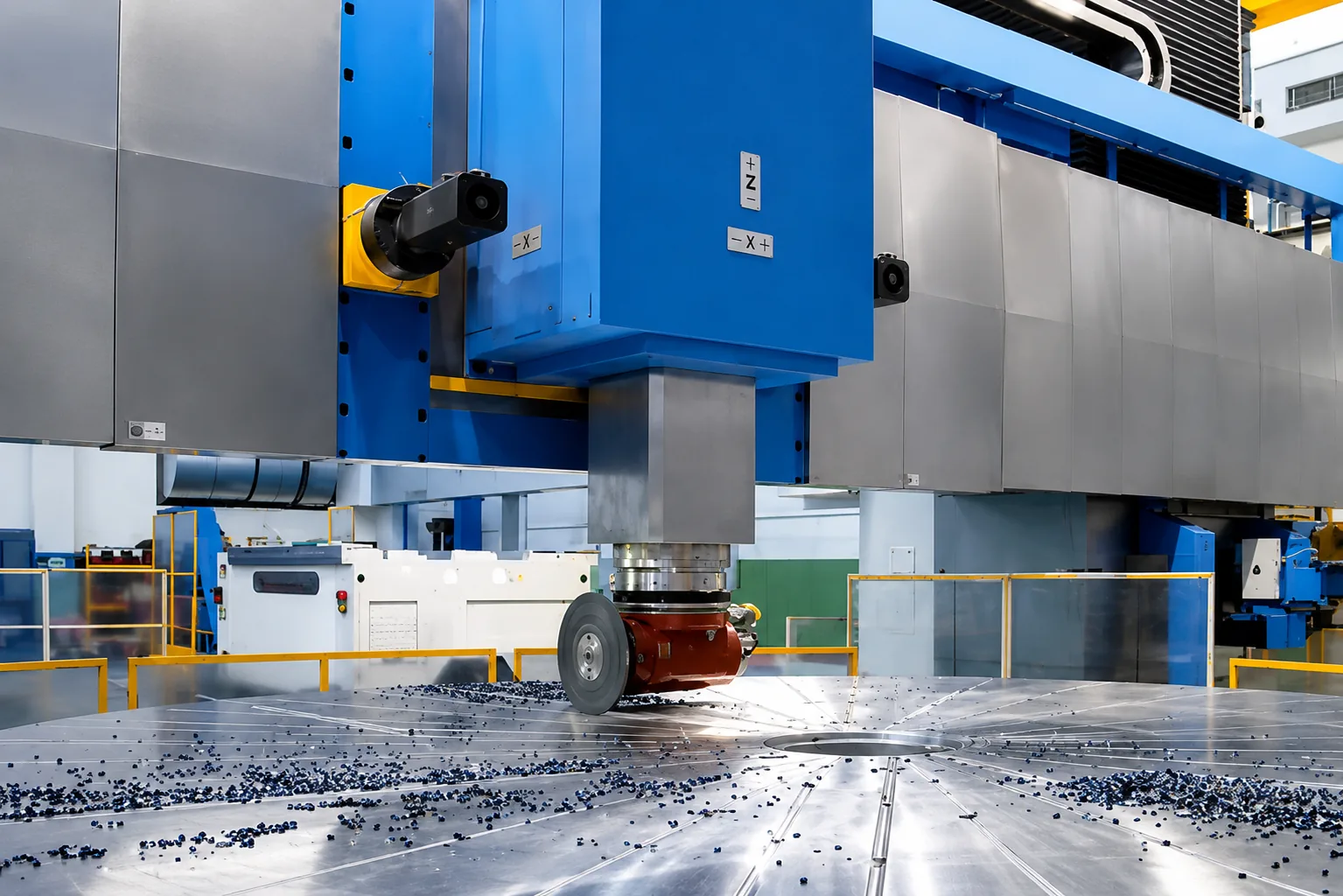 Workshop detail
Machining
Workshop detail
Machining
Turning, milling, grinding, and deep hole services grouped by operation.
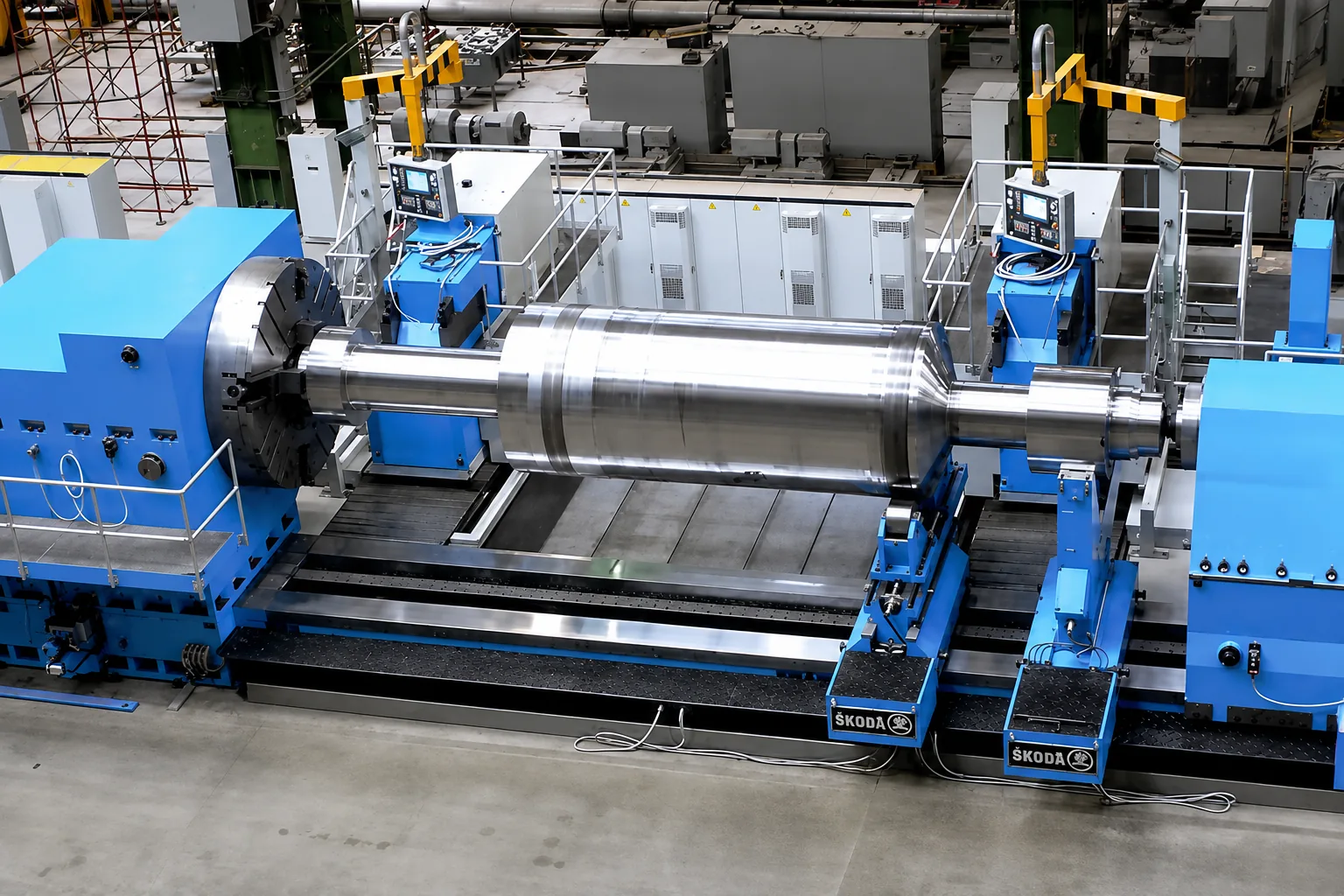 Internal features
Deep Hole Drilling
Internal features
Deep Hole Drilling
Deep hole services for long, accurate internal bores or precision features.
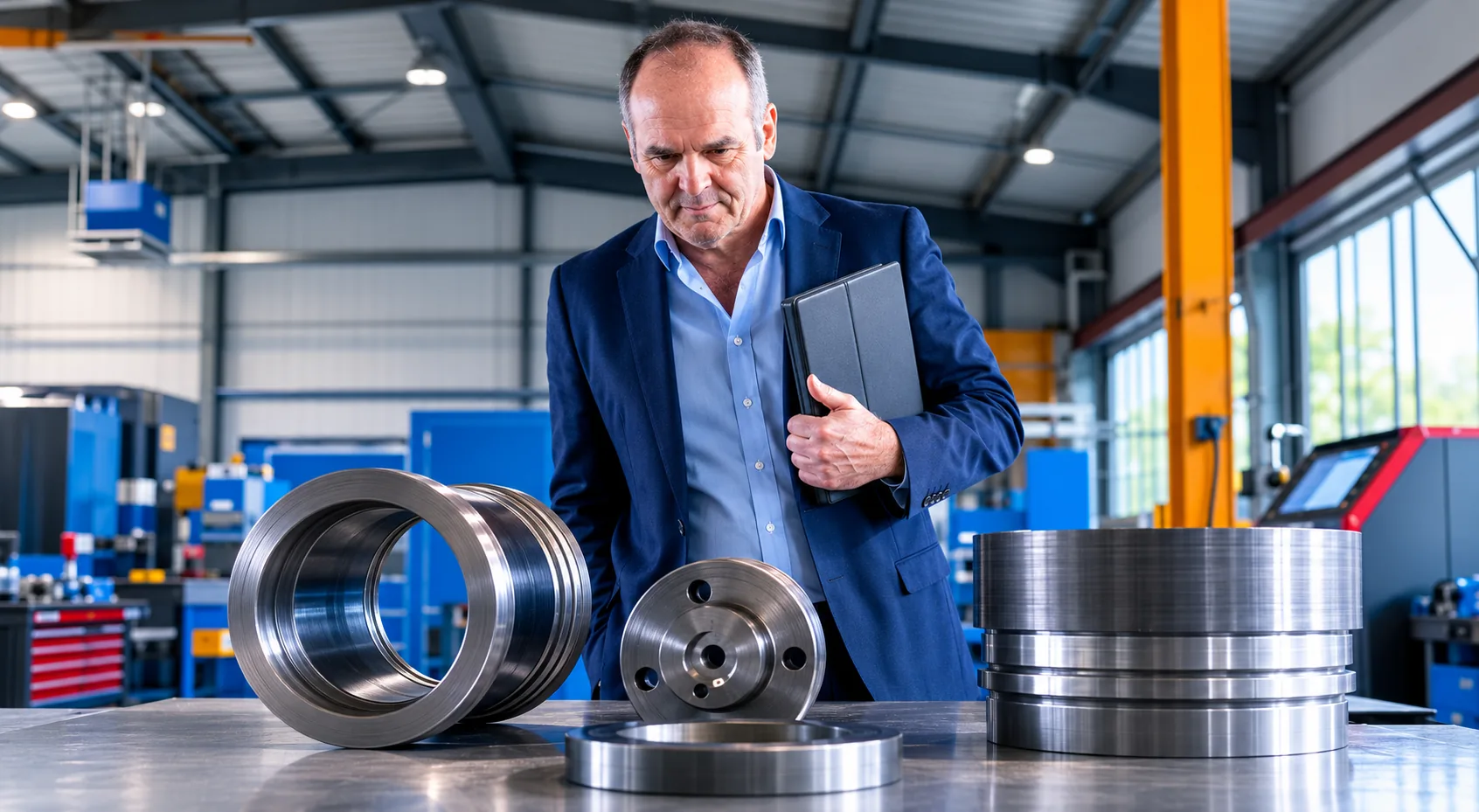 Missing drawing
Reverse Engineering
Missing drawing
Reverse Engineering
Measure worn or obsolete parts and rebuild a manufacturable replacement route.
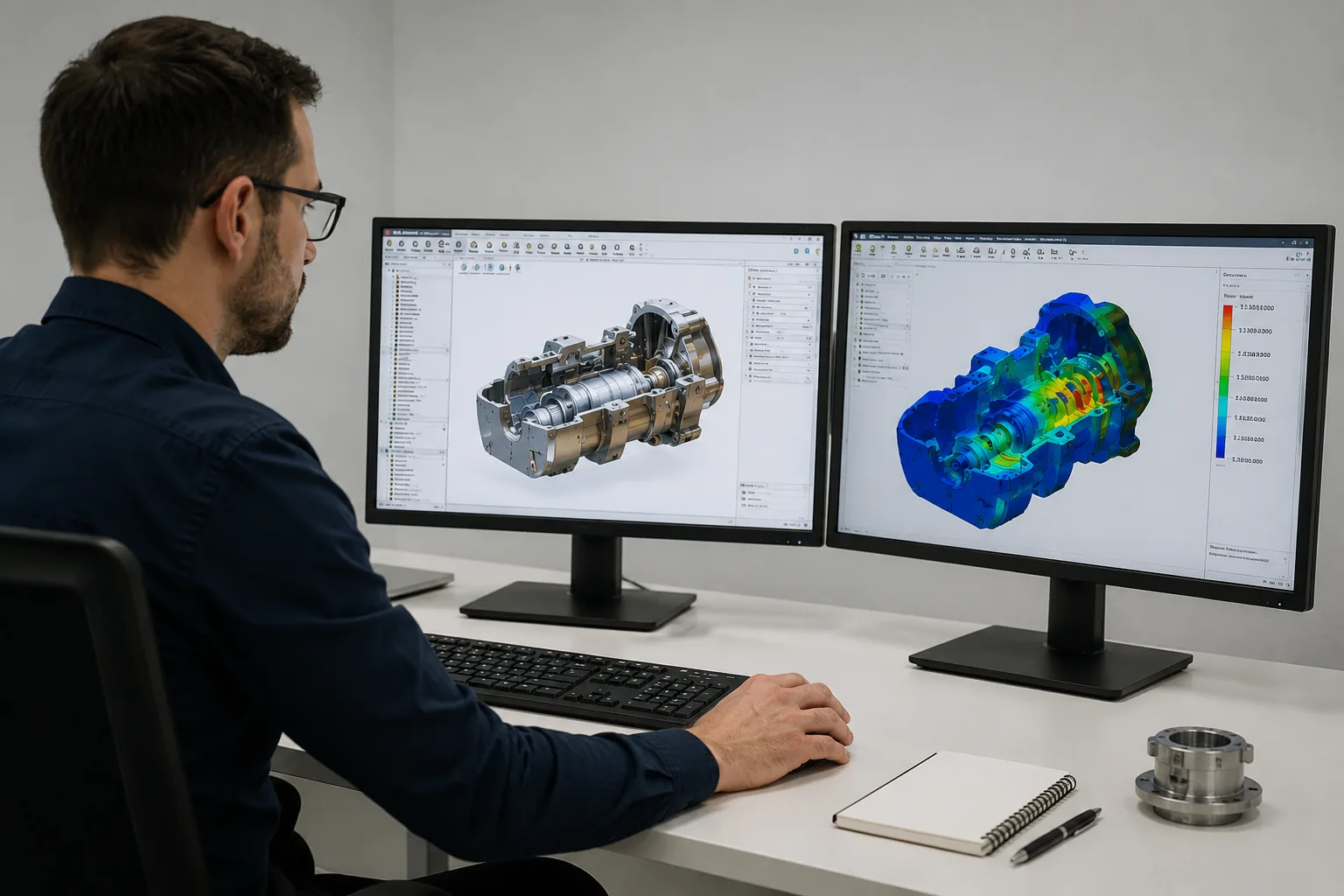 Validation
Engineering + FEA
Validation
Engineering + FEA
Feasibility studies, CAD, calculation, FEA, and product testing before production.
 Records
Inspection & Traceability
Records
Inspection & Traceability
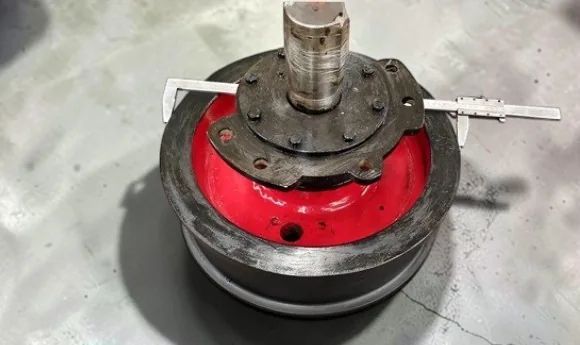
Material, process, dimensional, hardness, and NDT records support large-part manufacturing and final release.
Project request
Send large-format cnc machining requirements.
BRUVAL can review the requirement, confirm the suitable product or service route, and return the next technical step.