1. Study and validation
Expert evaluation, non-destructive and destructive testing, feasibility studies, economic review, technical risk assessment, 3D modelling, strength calculations, FEA, and product testing.
 Talk to an engineer
BRUVAL provides mechanical services for large industrial devices and complex workpieces where engineering review, production planning, assembly, and inspection need to work as one route.
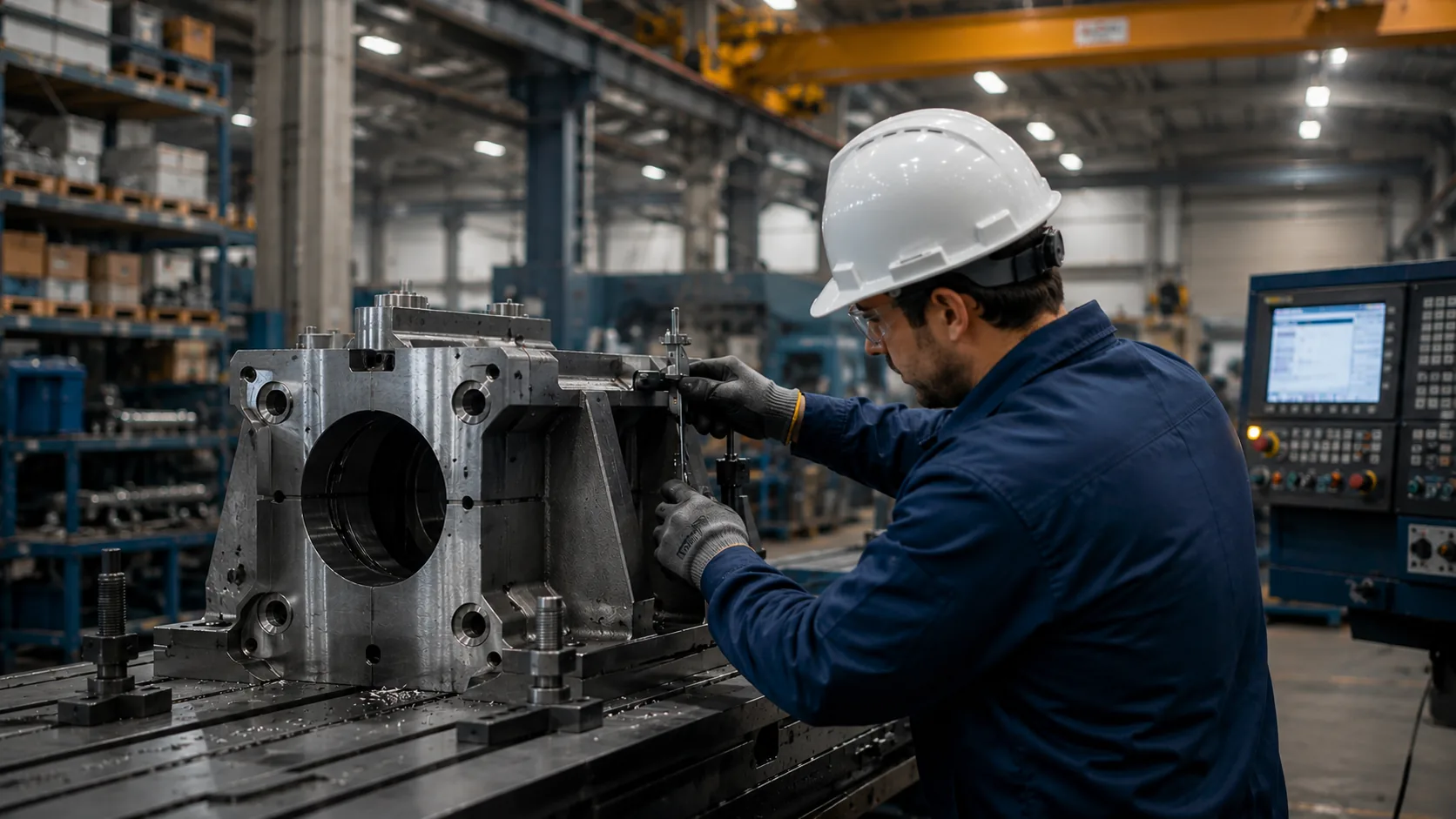
Workflow
Expert evaluation, non-destructive and destructive testing, feasibility studies, economic review, technical risk assessment, 3D modelling, strength calculations, FEA, and product testing.
Turning, milling, grinding, and preparation of heavy workpieces in steel, titanium, aluminum, bronze, brass, copper, cast iron, and stainless steel.
MIG/MAG, TIG, manual arc, submerged arc welding, capacitive discharge welding, hardening, carburising, nitriding, annealing, normalising, and stress relief.
Mechanical and electromechanical assembly, part adjustment, post-assembly tuning, dimensional control, weld examination, pressure testing, and final quality verification.
Project fit
Mechanical work becomes strongest when BRUVAL can connect the problem, the part condition, and the production route. The same request may require design review, machining, welding, heat treatment, assembly, and inspection before it is ready for service.
Manufacture components from drawings or models when the buyer needs controlled material, dimensions, surface finish, and release records.
Assess whether a component should be repaired, reconditioned, reverse engineered, or replaced before the shutdown window closes.
Combine machined parts, welded structures, purchased items, adjustment, and functional checks into a complete mechanical assembly.
Use inspection, testing, and documentation to make the production route clear before the part returns to the line.
Decision route
Confirm where the part works, what it carries, how it moves, and why it needs production, repair, or redesign.
Review drawings, photos, worn samples, dimensions, material data, load cases, and previous failures.
Choose machining, welding, heat treatment, hard-facing, grinding, assembly, and inspection steps around the actual risk.
Focus on bores, faces, shafts, journals, welded joints, mounting points, and adjustment areas that affect fit.
Close the route with measurements, tests, certificates, NDT, and traceability where the project requires them.
Inquiry data
Production capacities
Services
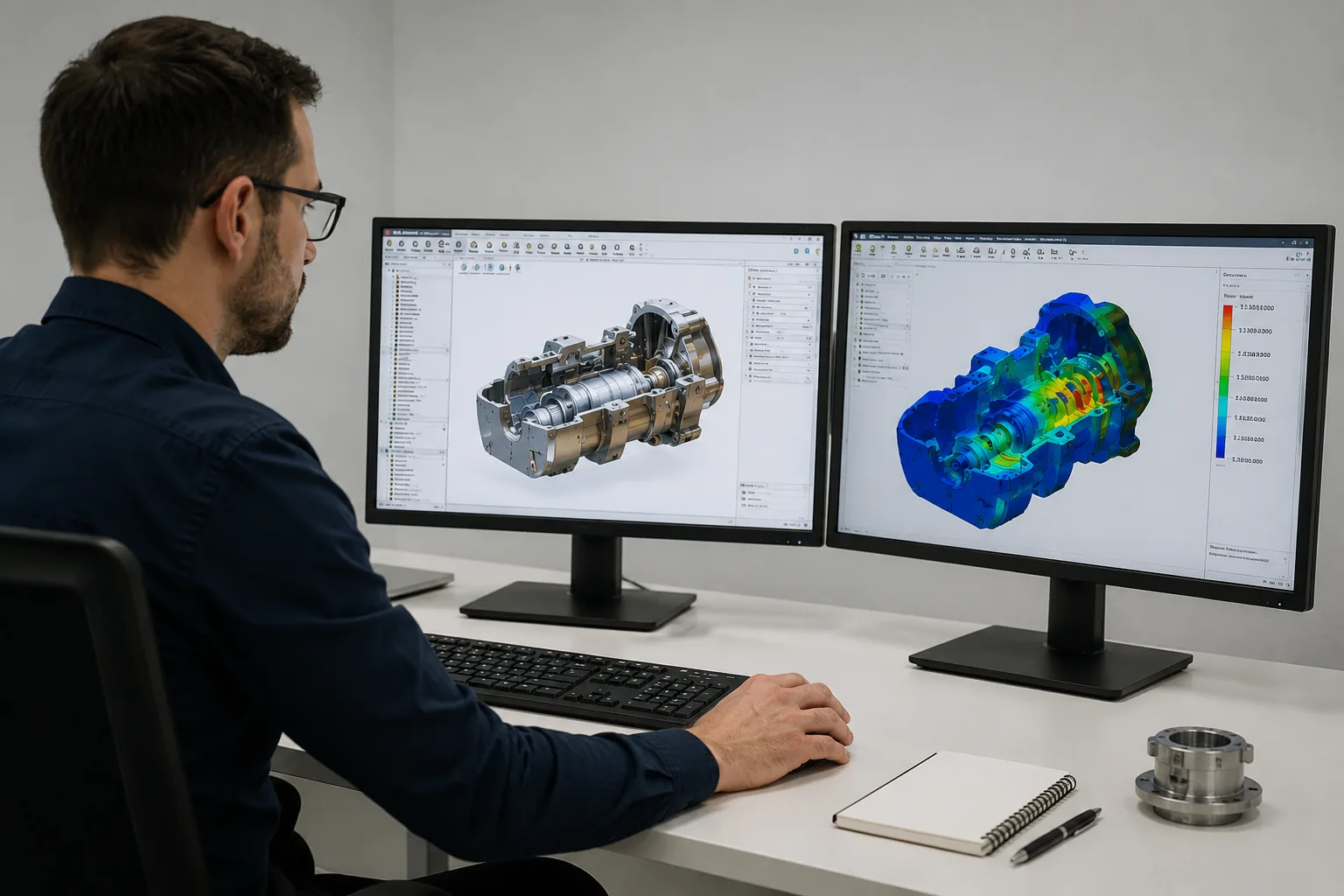 Studies
Engineering
Studies
Engineering
Feasibility, expert evaluation, cost optimization, 3D modeling, strength calculations, and testing.
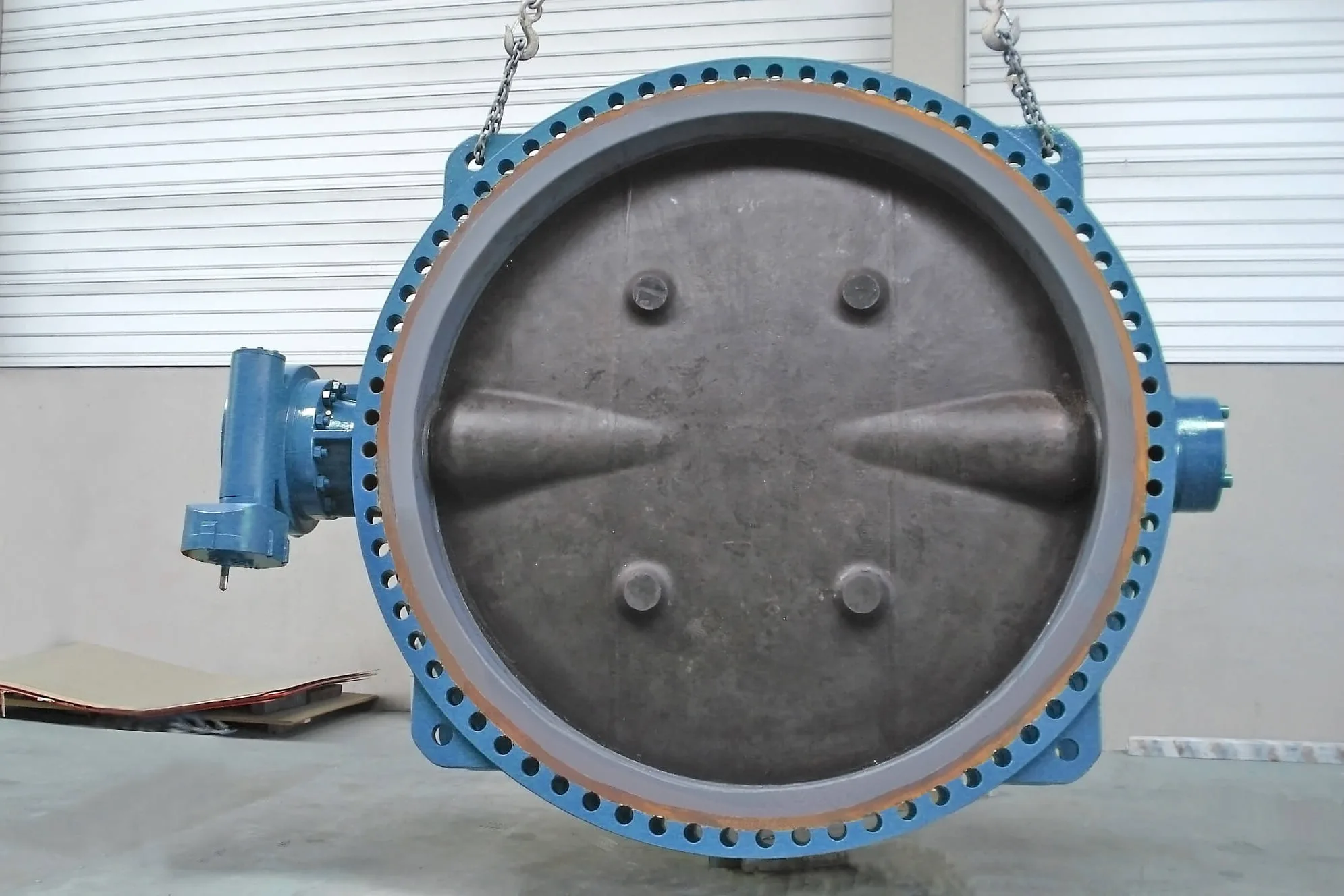 Assembly
Mechanical Assemblies
Assembly
Mechanical Assemblies
Mechanical and electromechanical assemblies of small and large dimensions.
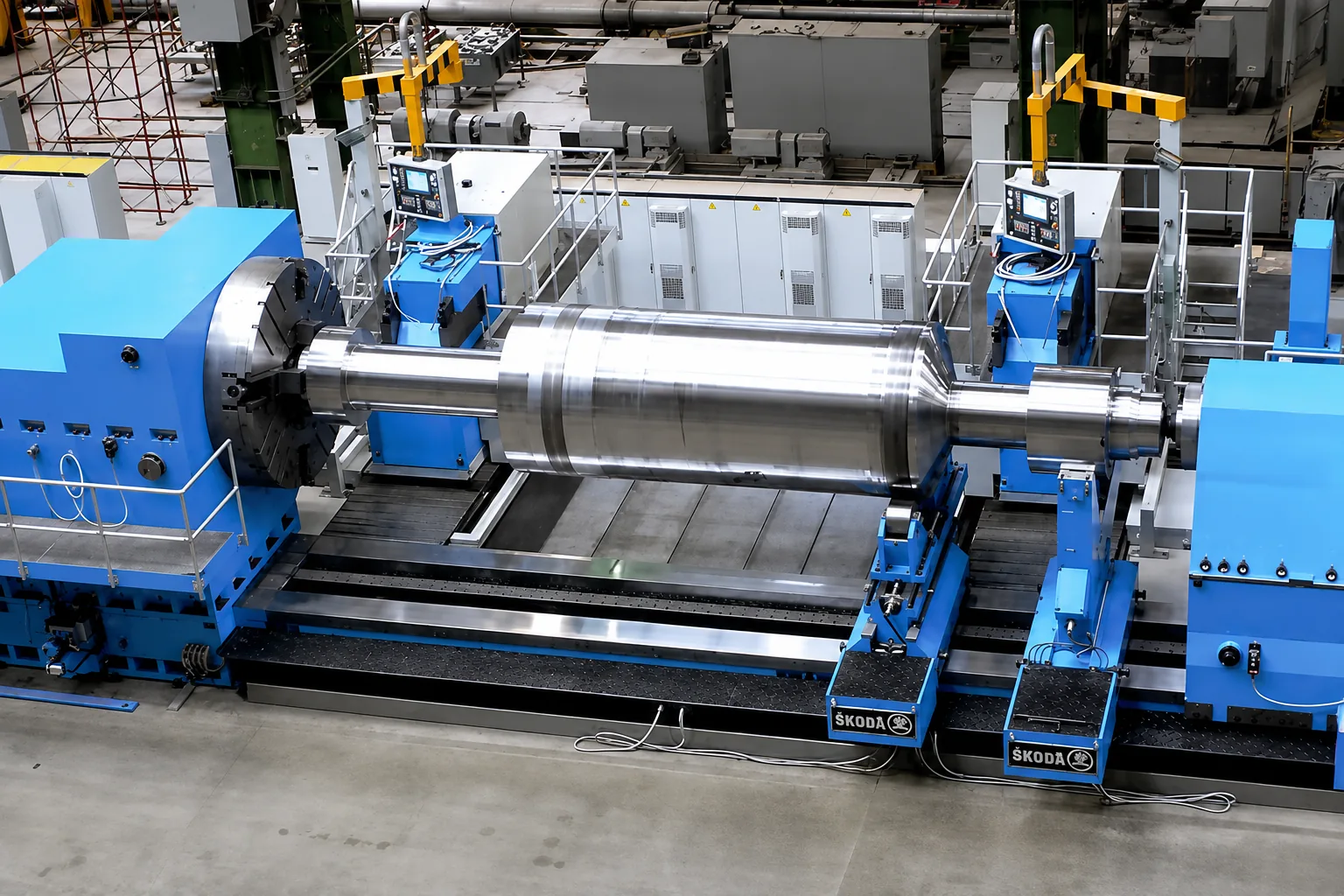 Turning, milling, grinding
Machining
Turning, milling, grinding
Machining
Conventional and CNC operations for large workpieces and multiple metals.
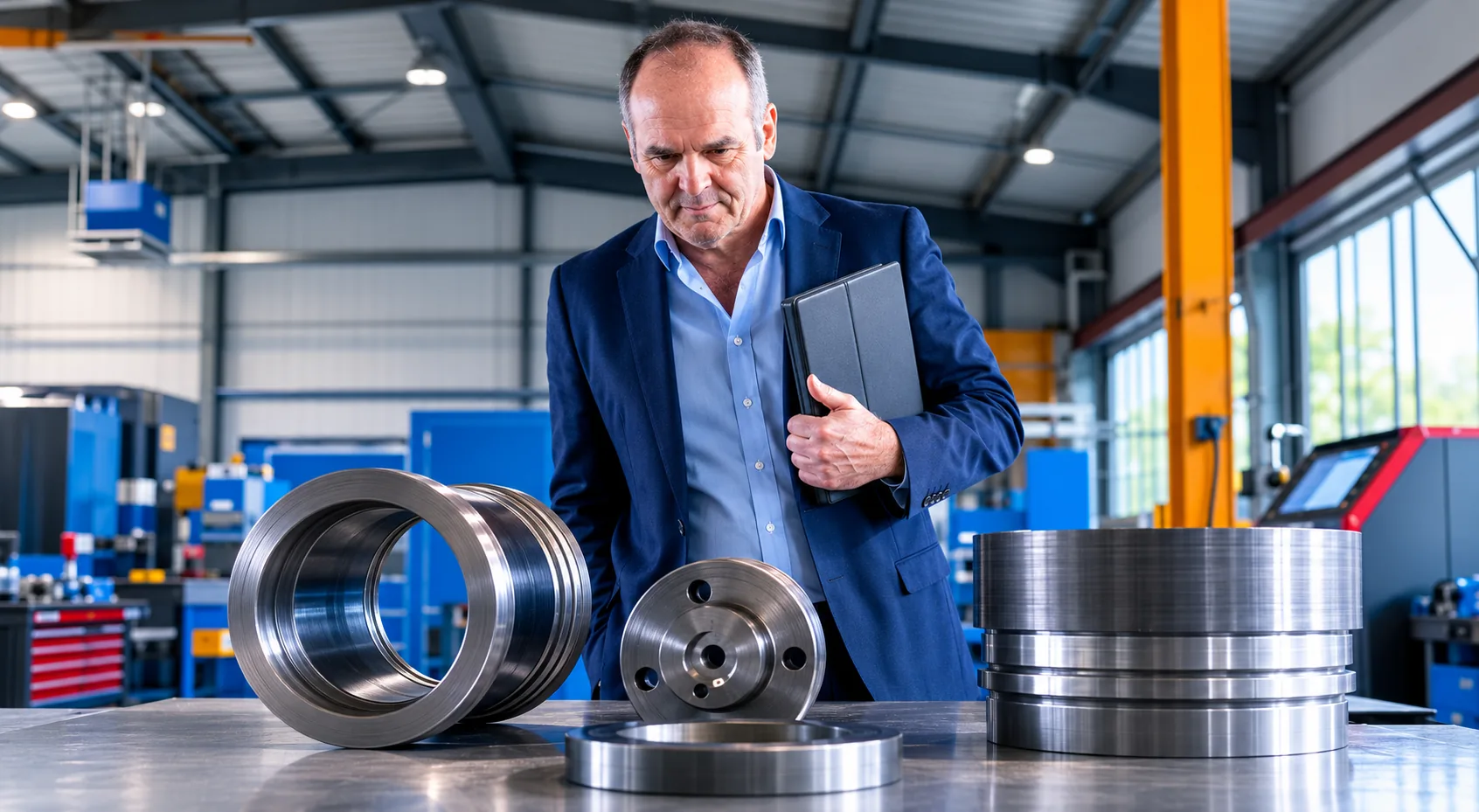 Existing-part analysis
Reverse Engineering
Existing-part analysis
Reverse Engineering
Measure worn parts, rebuild drawings, define the process route, and manufacture replacement components.
Project request
BRUVAL can review the requirement, confirm the suitable product or service route, and return the next technical step.