Casting start
Starter bar chains and dummy heads close the mold at start-up, connect to the first strand, and need geometry that matches the caster route.
 Talk to an engineer
BRUVAL supports steel producers with critical components designed for precision, wear resistance, reduced downtime, and long service life.
Line context
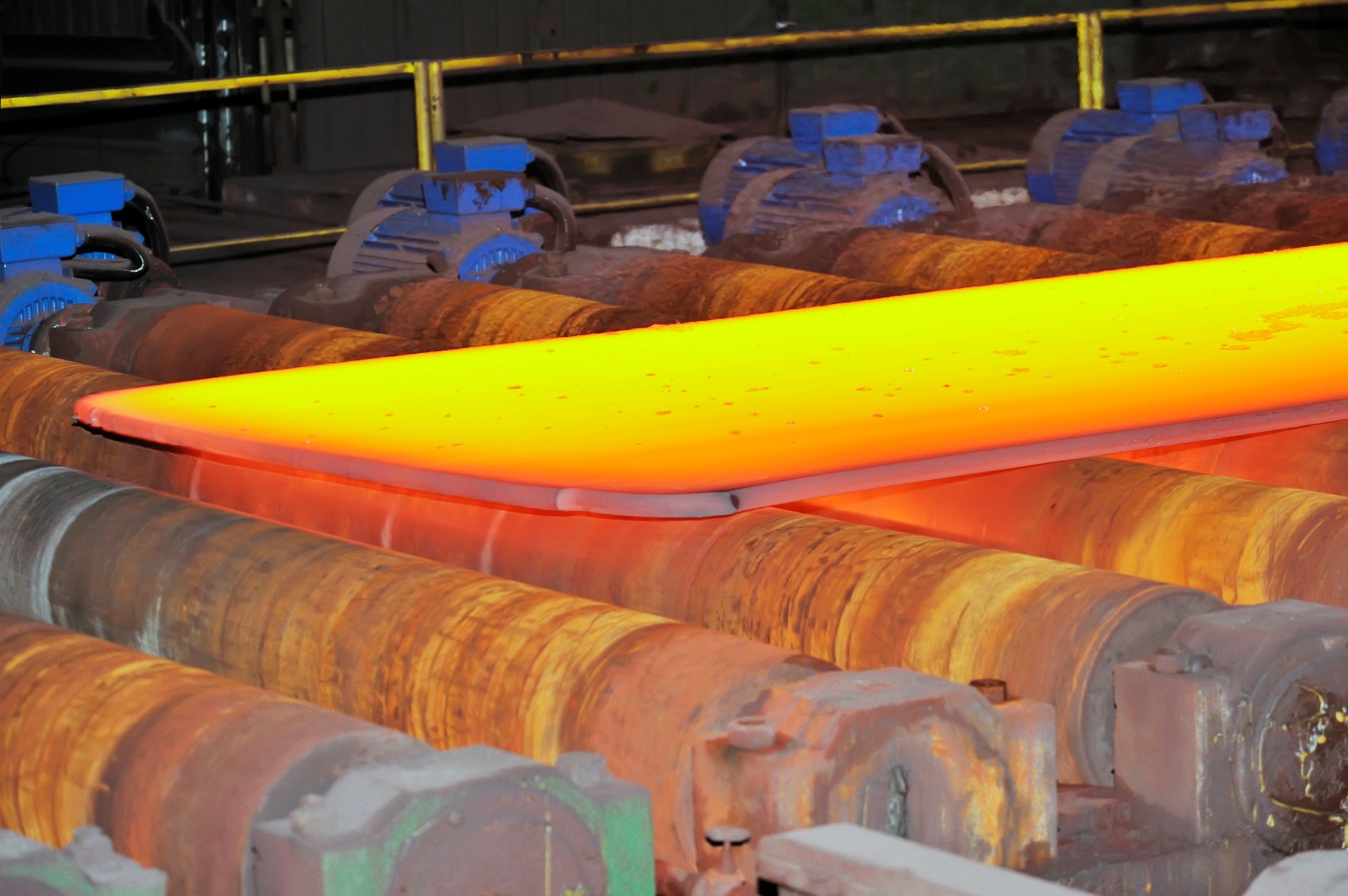
Continuous casting turns liquid steel into semi-finished slabs, blooms, billets, or rounds before rolling and finishing. BRUVAL's metallurgy scope focuses on the heavy mechanical parts around that route: starter systems, dummy heads, rolls, wear parts, crane wheels, shafts, sleeves, and assemblies that must survive heat, load, abrasion, and repeated shutdown cycles.
Starter bar chains and dummy heads close the mold at start-up, connect to the first strand, and need geometry that matches the caster route.
Guided movement, support, cooling zones, and cutting areas put wear, heat, and alignment demands on rotating and guided components.
Rolls and related workpieces need controlled surface condition, dimensional accuracy, and reconditioning options when wear affects uptime.
Crane wheels and handling components carry high loads between casting, rolling, repair, and storage areas, so hardness and inspection records matter.
Worn parts can often be measured, machined, hard-faced, heat-treated, ground, inspected, and returned with a traceable record pack.
Technical priorities
Replacement parts must match existing caster, rolling, crane, and handling interfaces, including worn or undocumented equipment.
Wear resistance, hard-facing layers, grinding finish, hardness profile, and coating choice can be adjusted around the actual duty cycle.
Parts near casting and rolling operations must account for heat, shock, vibration, cyclic loading, and deformation risk.
Material certificates, dimensional reports, hardness readings, NDT, and serial-linked records help maintenance teams trust the replacement route.
Inquiry data
Why BRUVAL
Products are tailored to different casting systems and heavy industrial requirements.
Advanced materials, protective coatings, and reconditioning methods help extend operating life.
The production process focuses on minimizing operational interruptions and improving casting efficiency.
Large wear components and related production operations can handle workpieces up to 200 tons.
Products
 Steel production
Rolling Mill Rolls
Steel production
Rolling Mill Rolls
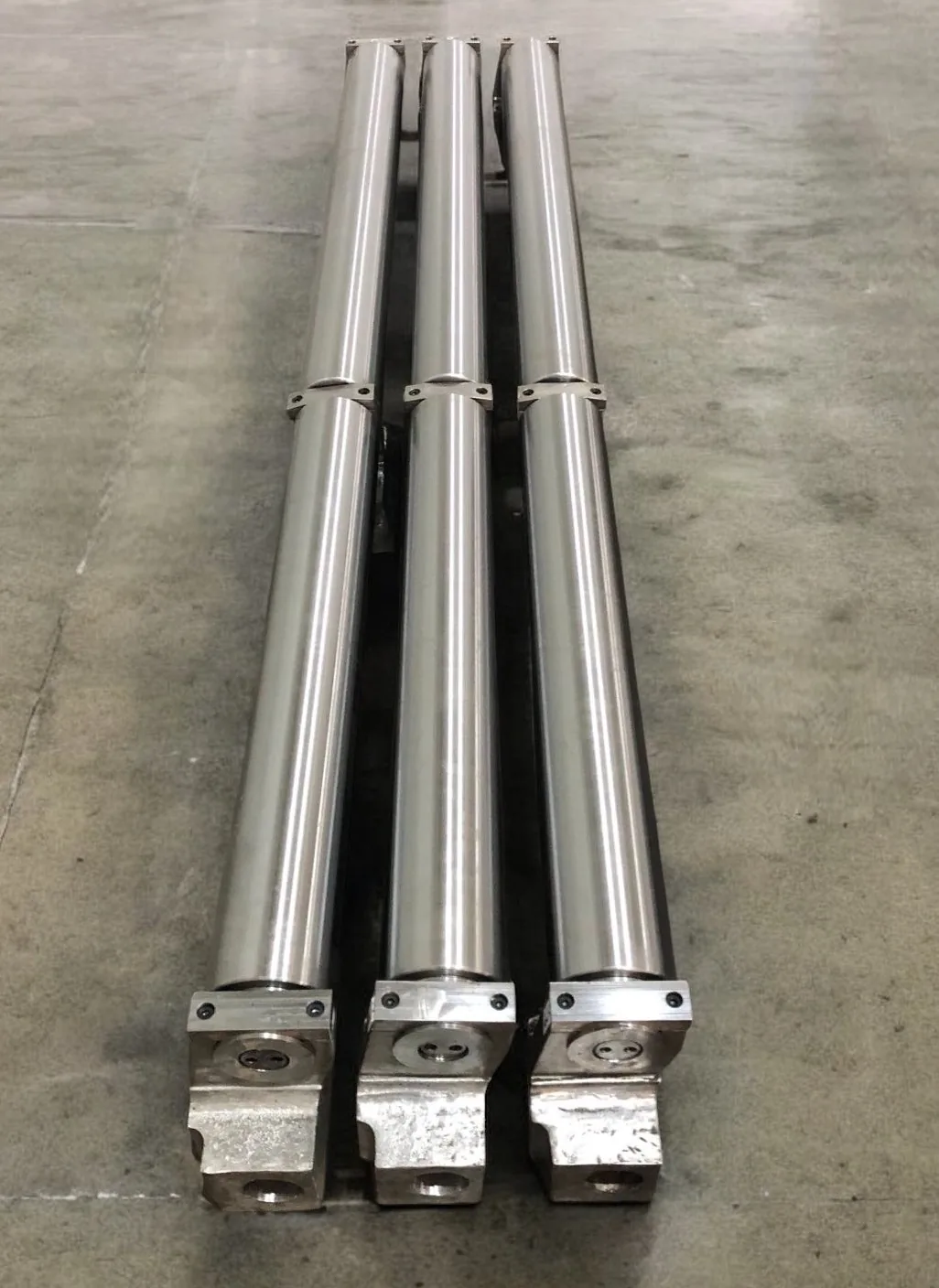
Roll production and reconditioning support for lines where geometry, surface condition, and uptime matter.
 Continuous casting
Starter Bar Chain
Continuous casting
Starter Bar Chain
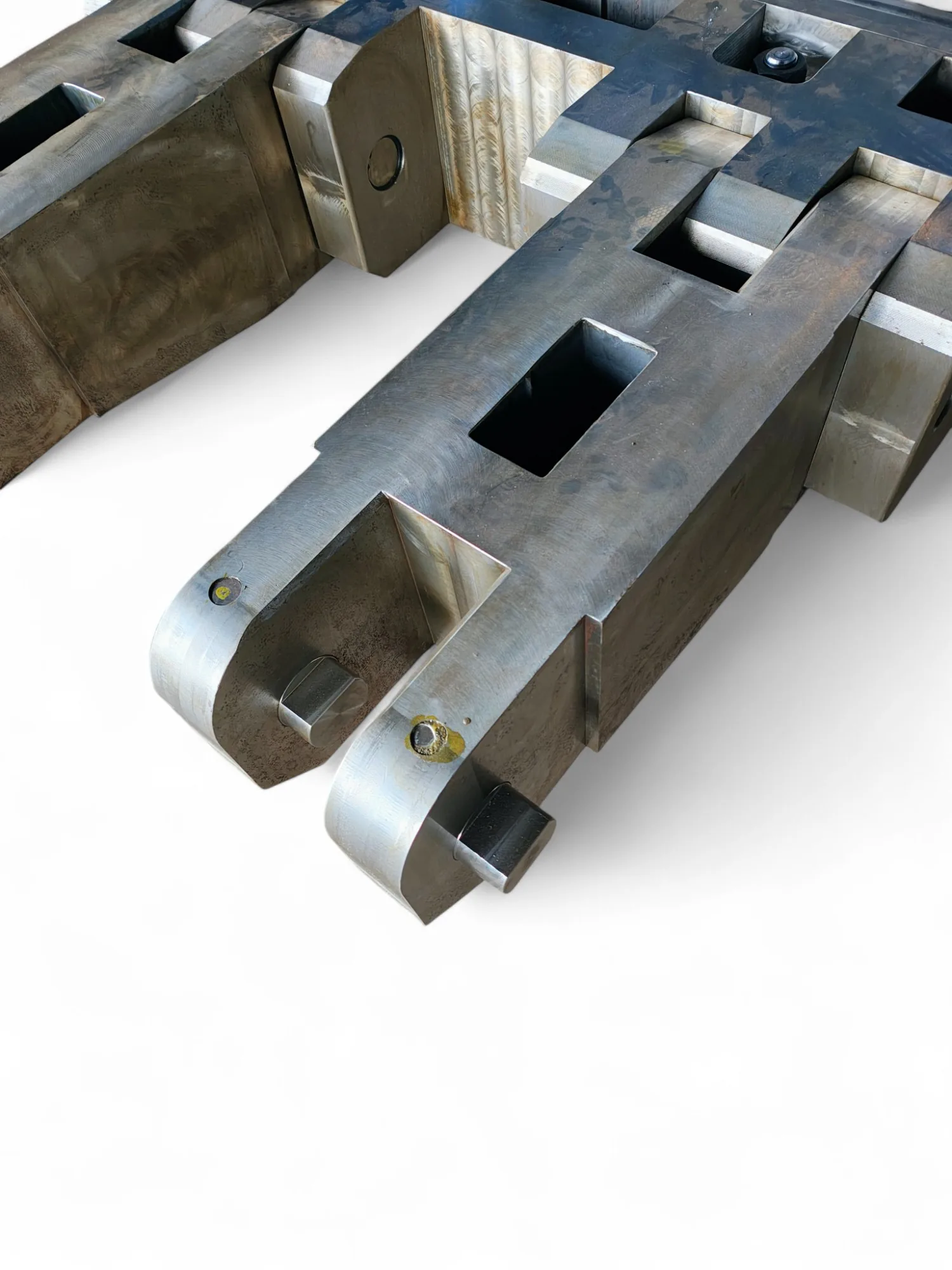
Precision-engineered starter bar chains for reliable performance under extreme conditions.
 Casting systems
Dummy Heads
Casting systems
Dummy Heads
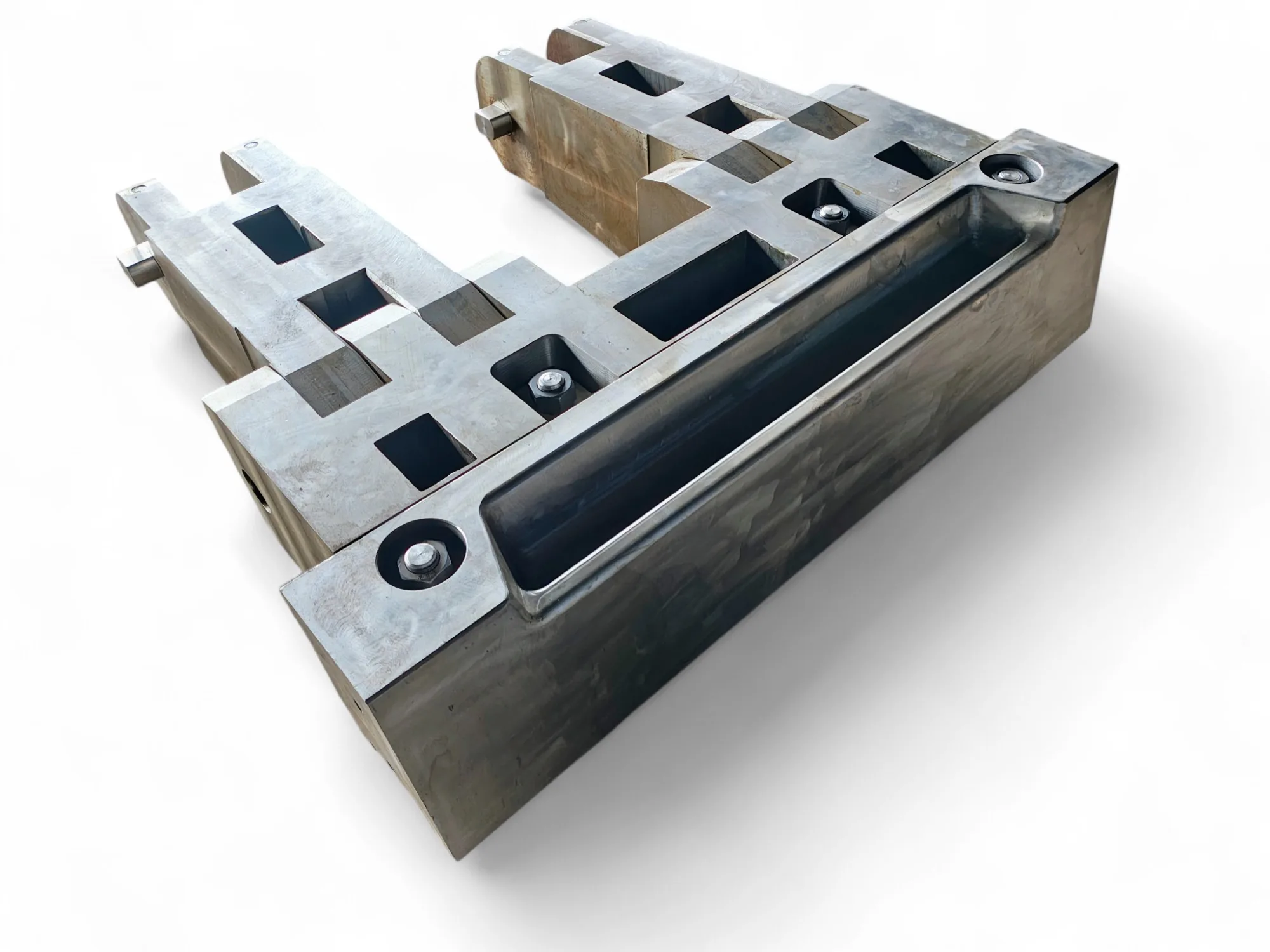
High-performance starter bar dummy heads with machining and surface protection coatings.
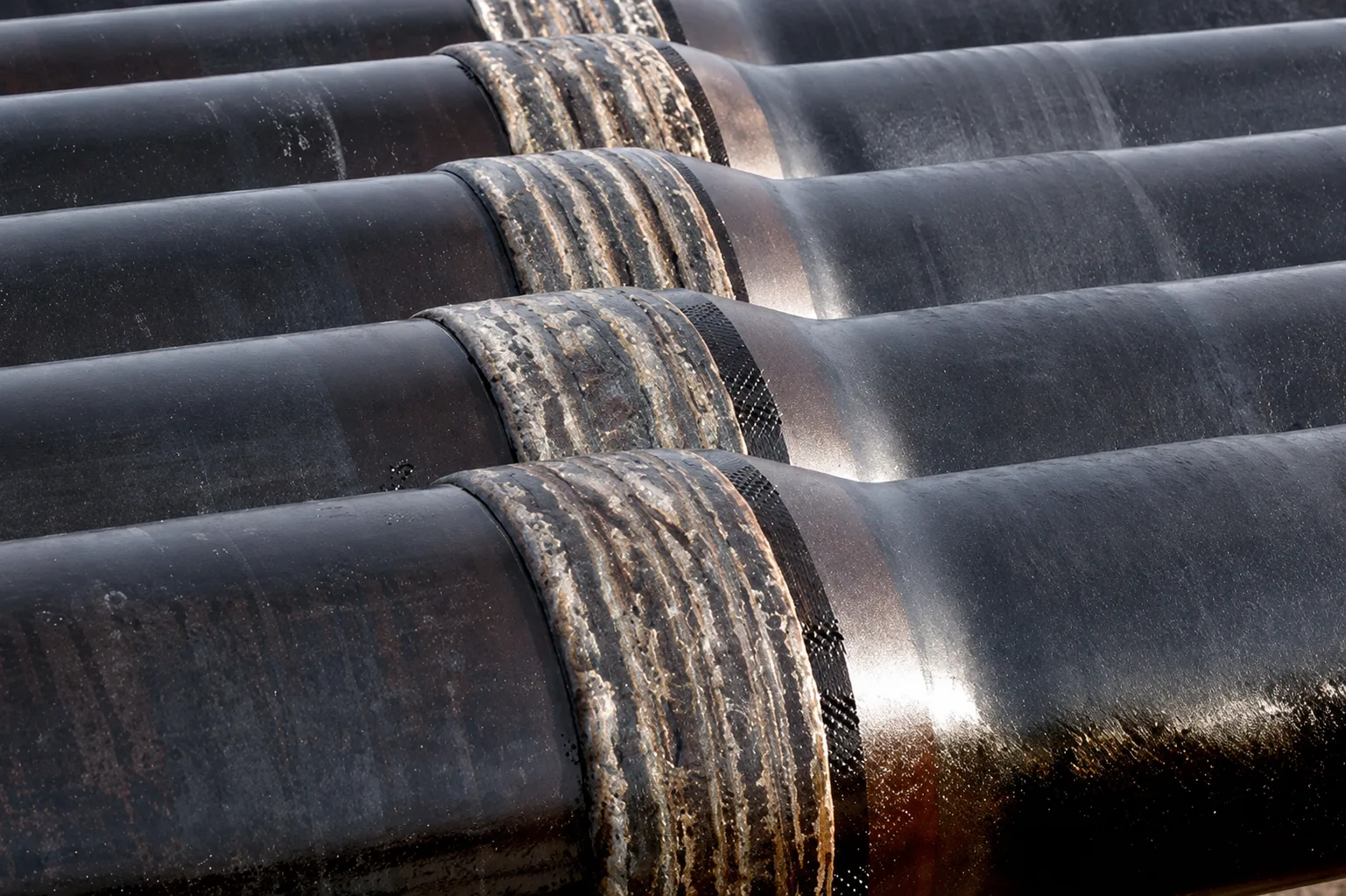 Production and repair
Wear Components
Production and repair
Wear Components
Crane wheels, rolls, shafts, rollers, sleeves, and reconditioned parts where hardness and geometry matter.
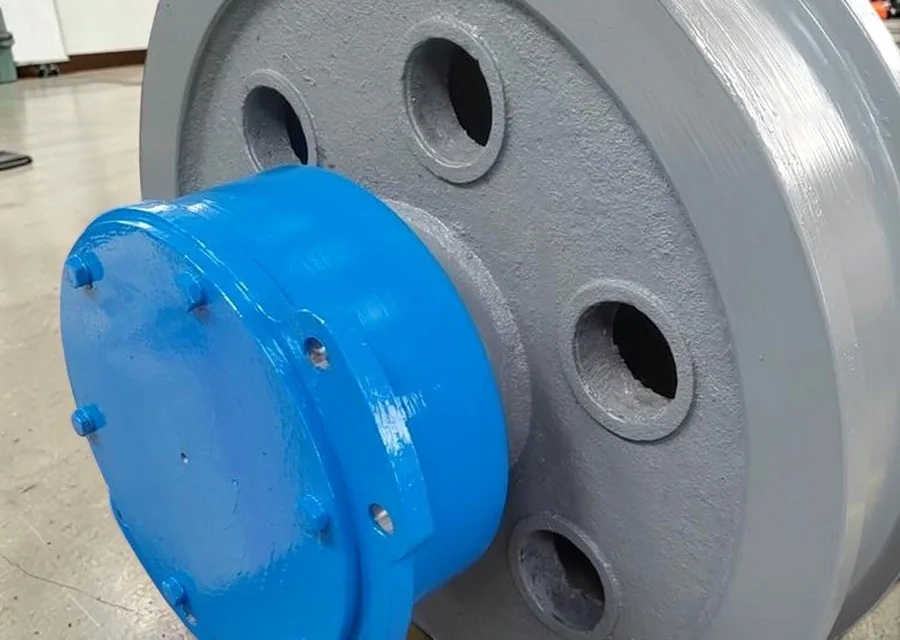 Wear components
High-Hardness Crane Wheels
Wear components
High-Hardness Crane Wheels
Machined, heat-treated, inspected, and traceable crane wheels with surface hardness up to 60 HRC where specified.
Project request
BRUVAL can review the requirement, confirm the suitable product or service route, and return the next technical step.