
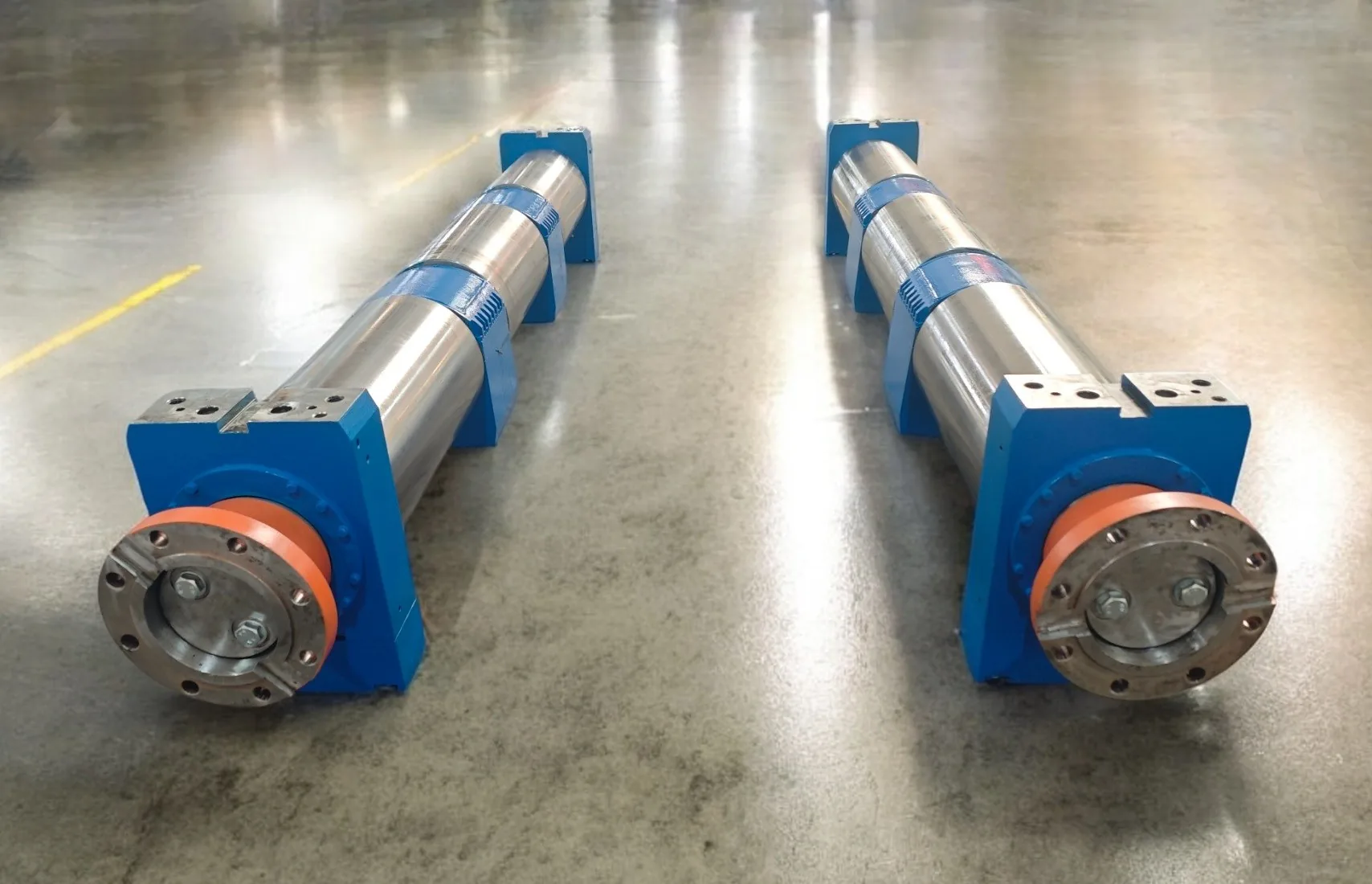
Overview
Rolls that protect product quality and uptime
Rolling mill rolls are working tools, not simple rotating cylinders. Their surface condition affects strip, bar, plate, or section quality, while their geometry, hardness, and bearing interfaces influence vibration, tracking, and maintenance intervals.
- New roll production or replacement based on drawings, samples, and operating requirements
- Reconditioning where worn surfaces, journals, shoulders, or functional diameters can be restored
- Machining, grinding, heat treatment, hard-facing, and inspection support where the roll route requires it
- Assembly and servicing support for roll-related components, bearing interfaces, and return-to-service requirements
- Documentation that links material, process, dimensions, hardness, and final inspection to the exact roll
New Roll Manufacturing
New rolling mill rolls manufactured to specification
BRUVAL manufactures complete new rolls from customer drawings, samples, operating data, or a controlled reverse-engineering route. Material selection, machining, heat treatment, surface finishing, assembly, and final inspection are coordinated around the roll's application and acceptance requirements.
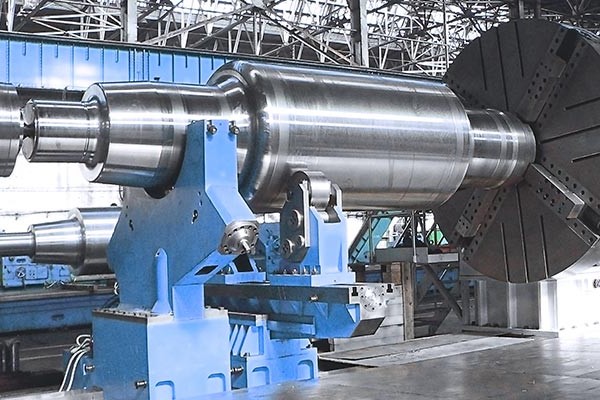
The photographs show several roll geometries and production stages. Customer names, serial markings, and proprietary plant details are omitted.
Roll Reconditioning and Service
Existing rolls restored for return to service
This service route is for worn or damaged rolls that can be repaired and returned to their required operating condition. BRUVAL assesses the roll as received, confirms the recoverable base material, restores worn functional areas, controls geometry and surface condition, and verifies the completed roll against the agreed specifications.
- Incoming inspection and documentation of wear, damage, dimensions, journals, bearing interfaces, and surface condition
- Repair planning for machining, grinding, welding, hard-facing, heat treatment, replacement features, and assembly work
- Dimensional, hardness, surface, and inspection checks before controlled release back to service
Production checkpoints
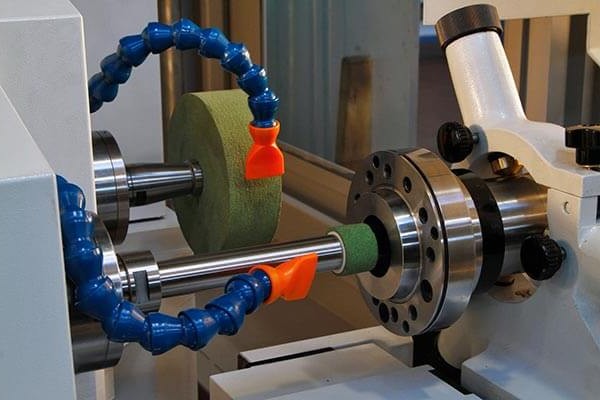
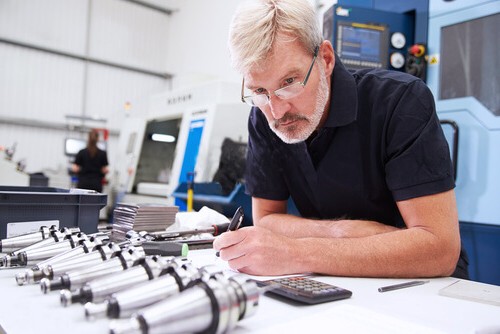
Machining, grinding, and inspection across the roll route
Operating demands
What rolling lines put into the roll
Contact pressure
The roll surface must resist repeated high-load contact without losing the working profile or damaging product finish.
Thermal cycling
Heat from the rolling process and cooling cycles can affect surface behaviour, cracking risk, and dimensional stability.
Journal alignment
Bearing seats, journals, shoulders, and drive interfaces need controlled geometry so the roll runs correctly in the stand.
Repair decision
When the core remains usable, reconditioning can preserve the base workpiece and focus effort on the worn functional zones.
Production route
From worn roll or drawing to controlled return
Assess
Confirm roll type, damage pattern, operating line, material clues, dimensions, and whether the part is suitable for repair or replacement.
Define route
Select machining, welding, hard-facing, heat treatment, grinding, balancing, or inspection steps around the actual roll function.
Restore geometry
Bring working diameters, journals, shoulders, grooves, and interface areas back to the agreed tolerances and finish.
Assemble and verify
Complete the agreed assembly or servicing scope, then close the job with dimensional checks, hardness readings, NDT where required, and records tied to the finished roll.
Inquiry data
What helps BRUVAL evaluate a roll request
- Roll drawing, sketch, or photos from all sides, including journals and worn working areas
- Roll type, line position, product being rolled, approximate weight, and quantity
- Material grade, current hardness, target hardness, coating or hard-facing requirement if known
- Wear pattern, cracking, pitting, out-of-round condition, journal damage, or surface-finish problem
- Required tolerances, surface finish, inspection standard, and documentation package
- Shutdown window, urgency, and whether the request is for new production, reconditioning, assembly, servicing, or repeat supply
Related metallurgy services
Production, assembly, and servicing support
Surface upgrade
Hard Facing
Restore worn-down parts and improve original characteristics.
Precision MachiningTurning, milling, and grinding for large-format workpieces.
Return to service Assembly & ServicingAssembly support for roll-related mechanical components and controlled return to operation.
Project request
Send rolling mill rolls requirements.
BRUVAL can review the requirement, confirm the suitable product or service route, and return the next technical step.