Joint preparation
Groove geometry, cleaning, bevels, fit-up, preheat, and tack strategy define whether the weld can be controlled before the arc starts.
 Talk to an engineer
BRUVAL performs welding on alloyed, duplex, stainless, and classical steel components where joint preparation, process selection, distortion control, and inspection evidence matter.
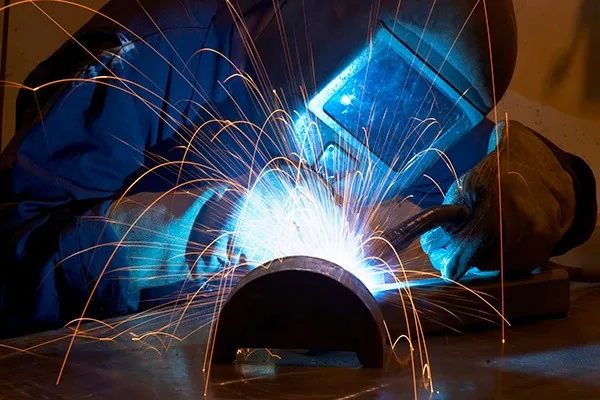
Weld planning
Welding is strongest when it is planned around the part function, base material, joint access, thickness, heat input, distortion risk, and inspection requirement. A repair weld, pressure-retaining weld, hard-facing preparation, and large structural weld do not need the same route.
Groove geometry, cleaning, bevels, fit-up, preheat, and tack strategy define whether the weld can be controlled before the arc starts.
Alloyed, duplex, stainless, and classical steels can require different filler, heat input, interpass temperature, and post-weld treatment decisions.
Large cylindrical, flanged, or fabricated parts may need roller beds, turntables, manipulators, or staged welding access.
Visual checks, dimensional control, PT, MPI, UT, or RT can be selected around the weld criticality and customer acceptance standard.
Production route
Confirm material, thickness, joint type, service duty, access, drawings, and required standard or acceptance criteria.
Clean, machine, bevel, fit, preheat, fixture, and position the component so the weld can be repeated safely.
Select MIG/MAG, TIG, manual arc, SAW, capacitive discharge, or a combined route based on the joint and production constraints.
Inspect the weld, check dimensions, perform NDT where required, and connect the record pack to the finished component.
Workshop
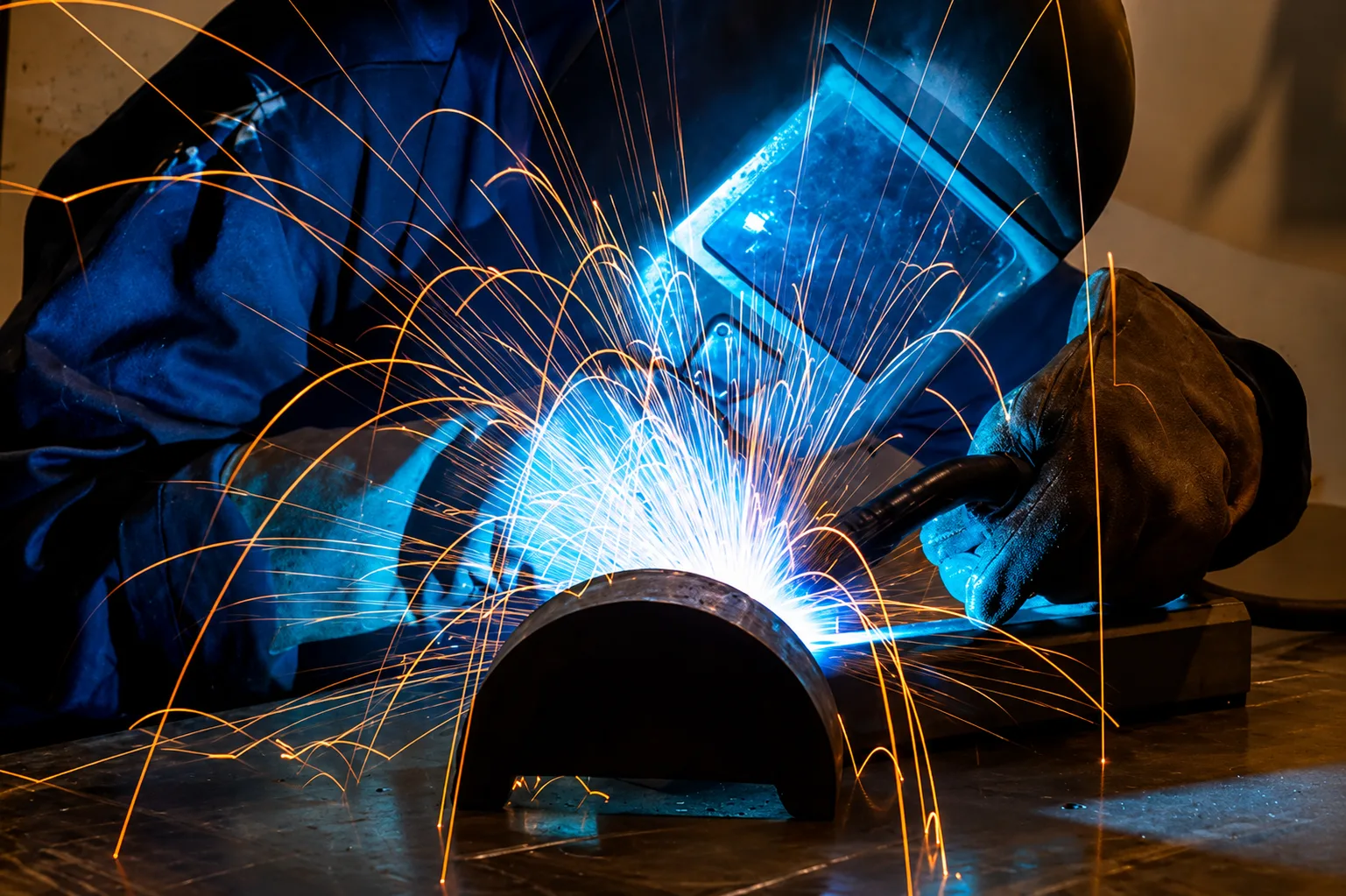
Capacity and inspection
Inquiry data
Processes
Project request
BRUVAL can review the requirement, confirm the suitable product or service route, and return the next technical step.